
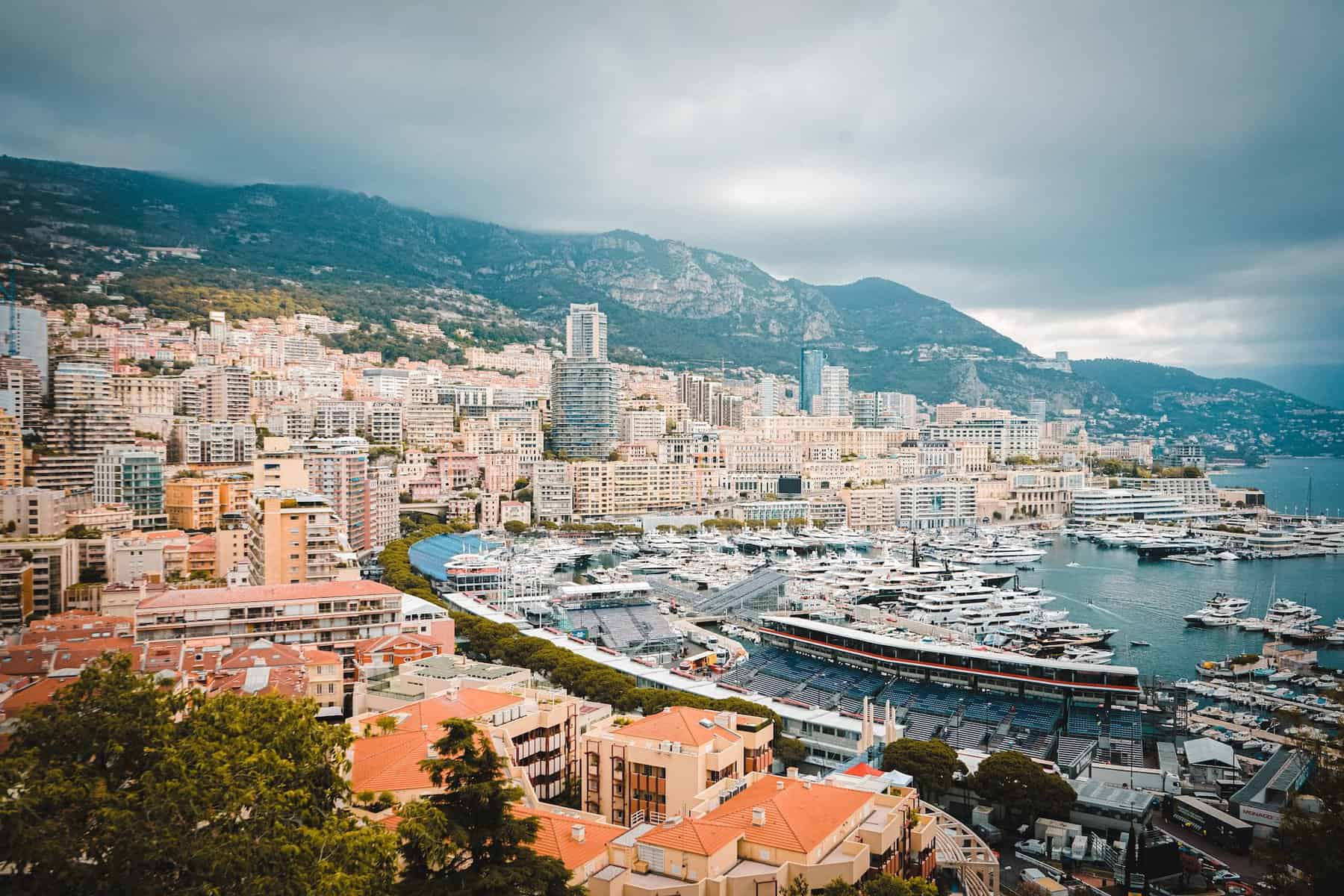
The Monaco Grand Prix is Formula 1’s crown jewel—a 78-lap race through the streets of a literal microstate nestled on the French Riviera. There are no runoff areas, no safety margins, no room for error. The cars hit 300 km/h on straightaways that are narrower than most highway lanes. One mistake sends you into a concrete barrier. One tire failure ends your race (and possibly your weekend). This isn’t a circuit—it’s organized chaos happening 2 meters from your face.
It’s the only Grand Prix that feels like you’re watching street racing in real-time, not a sanitized motorsport spectacle. The glamour is real (Monaco hosts billionaires and celebrities), but so is the grit. Fans camp on hillsides, sleep in cars, and wake up at dawn to claim territory on dirt. Drivers call it the hardest race to win. Mechanics work 20-hour days. Everyone knows that if you win Monaco, you’ve beaten the best in the world on the most unforgiving track.
It’s Formula 1’s spiritual home. It’s why fans make the pilgrimage.

The Monaco Grand Prix is Changing Dates
The 2026 Monaco Grand Prix is happening June 5–7, 2026—the first weekend of June, not May. This breaks 75 years of tradition. If you’ve been waiting to book travel, this changes everything about your planning window. Hotels drop in price after peak summer season kicks off, flights are cheaper, and the Mediterranean weather is legitimately better than May’s unpredictable rainy days.
You’ve been told Monaco is only for billionaires. That is a lie. You can experience the Grand Prix for under €200 per day if you follow the budget playbook and stay in Nice (20 minutes away by train). Thousands of fans do this every year. You can too.
How to Buy Tickets (And Avoid the Scam That Catches Everyone)
Monaco tickets sell fast. Like, gone-in-hours fast. Unlike other Grand Prix races where you can snag seats in July or August, Monaco allocates limited inventory and releases it in waves. Most fans miss the window entirely because they don’t know when tickets drop, or they get panicked and buy from a reseller at triple markup. This section is your permission structure to not be that person.
The Golden Rule: ACM Only
Only buy tickets directly from the Automobile Club de Monaco (ACM) at monacograndprix.com. This is non-negotiable.
Why? Third-party resellers and “sports tourism” agencies mark up tickets by 300–400%. Worse, if you see 2026 tickets available now (January 2026), they’re speculative scams. The ACM hasn’t released official 2026 inventory yet.
The “Pre-Deposit” Trap
Avoid any agency asking for a “deposit” or “pre-order fee” to secure tickets. This is how you lose money to middlemen who never deliver. Wait for the official release.
When Monaco Grand Prix Tickets Actually Drop
The ACM typically releases 2026 tickets in Fall 2025. Since we’re in January 2026, tickets should be available soon or already live on the official site. Sign up for the ACM newsletter immediately—the notification arrives once, and missing it means waiting for secondary release windows (which are more limited).
Pro Tip: Set a calendar reminder for mid-2025 if you’re reading this early, or check the ACM website directly right now.
The “Rocher” (General Admission): How to Do Monaco for a Good Price
The Rocher is where the real fans sit. It’s not glamorous. There’s no hospitality, no waiter, no padding. But it’s where you experience Monaco like the locals do—exposed to the elements, packed shoulder-to-shoulder with 10,000 other enthusiasts, and watching the most technical corner on the circuit from literally 20 metres away. It’s also the only way to attend if you’re serious about budget. At €120 for race day, it’s a third the cost of a decent grandstand seat. The catch? It requires planning, discipline, and a willingness to wake up when most sensible people are still sleeping.
What You’re Actually Doing
The Rocher is a steep, rocky hillside overlooking La Rascasse—the final corner where collisions happen and champions are decided. It’s the cheapest ticket to the race and one of the most chaotic, authentic experiences at any Grand Prix.
Price: Approximately €120 for Sunday (the race day). Compare this to €600+ for grandstand seats, and you understand why 10,000 fans pack this hill.
The Three Survival Rules (Seriously, Follow Them)
Rule 1: Dawn Patrol (6:00 AM Is Not Optional): You must arrive by 6:00 AM. Not 8:00 AM. Not 7:30 AM. Arrive at 9:00 AM and you’ll spend the entire race staring at trees and the backs of other people’s heads. The Rocher has limited sightlines because it’s literally a hill—elevation matters, and every spot fills by mid-morning. Early birds get the corner views; late arrivals get disappointment.
Rule 2: The “Chair Chain” Hack (Bring a Bike Lock): Starting Wednesday or Thursday before the race, fans lock their camping chairs to trees with actual bicycle locks to claim territory. Yes, this is real. Yes, you should do it. Bring a fold-up camping chair and a sturdy bike lock. Arrive early enough to secure a spot with direct sightline to the apex of La Rascasse, then leave and come back Sunday morning to reclaim it.
This hack adds 4–6 hours of guaranteed seating comfort on race day.
Rule 3: Dress for a Dirt Hike: Do not wear white sneakers. Do not wear sandals. The Rocher is an actual rocky hillside with dirt paths, loose gravel, and zero shade. Wear hiking shoes, bring a hat, sunscreen, and a light rain jacket (June weather in Monaco can be sunny and then cloudy within 30 minutes). You’ll walk 15,000+ steps getting settled. Blisters will ruin your race experience faster than a safety car.

Monaco Grand Prix Seating Guide
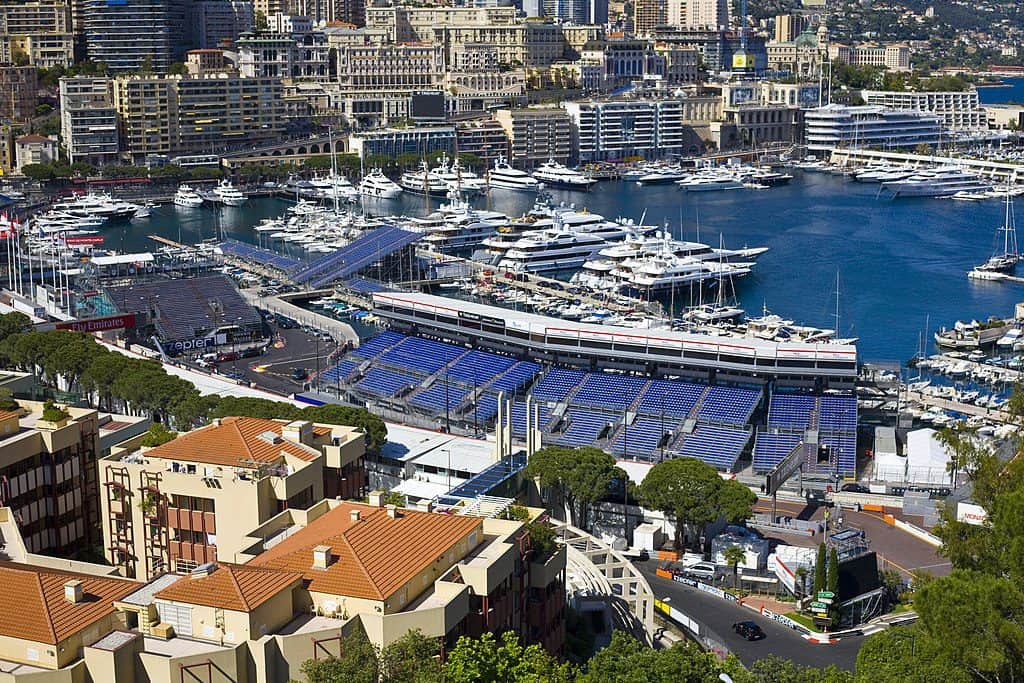
Grandstands offer guaranteed seating, shade (usually), and a proper view. Unlike the Rocher’s free-for-all, grandstands are numbered, ticketed, and allocated. The difference between a brilliant grandstand and a mediocre one is measured in metres and sightlines. Monaco is small enough that even “bad” seats get decent views, but smart positioning means the difference between seeing everything and spending the race staring at catch fences.
Here’s the hierarchy: best view, best value for money, and best budget option.
Best Seat: Grandstand K (The Gold Standard)
This is the premium choice if budget allows.
What You Get: Harbour views of Port Hercule, a big screen for pit strategies and replays, and a direct sightline to Tabac corner (the technical chicane before La Rascasse). You see the drama unfold in real-time—brake checks, lockups, near-misses. You’re positioned where the drivers make or break their race.
Ticket Price: €500–700 for race day.
Pro Tip: Request the top rows (Rank Z or A) when you book. The catch fence blocks lower rows. Top rows put you above the barrier and give an unobstructed view of the corner approach. Worth paying €50–100 more.
Best For: Fans who want the optimal sightline without standing all day.
Best Value: Grandstand T (The Pit Perspective)
This is where experienced fans sit when they’re paying their own money.
What You Get: A direct angle on the pit lane and the drivers’ dive into Rascasse. You see the mechanics working, tyre changes happening, and strategy unfolds in front of you. This is the technical fan’s choice—you understand the race better when you can see the stops in real-time.
Ticket Price: €350–450 for race day.
Why It Matters: Pit strategy decides Monaco races as much as driving skill. Watching this unfold live is visceral, and you’re paying significantly less than K whilst getting arguably better visibility for understanding the racing.
Best For: Fans who understand Formula 1 tactics and want to see them executed live.
Best Budget: Grandstand Z1 (The Immersive Experience)
This is for fans willing to trade comfort for proximity and atmosphere.
What You Get: Standing room only, no screen, minimal shade. But the cars pass approximately 2 metres from your face, and the engine noise is the most visceral thing you’ll experience at any sporting event. Pure sensory overload.
Ticket Price: €180–250 for race day.
Why Choose It: If you’ve never felt a 1000-horsepower Formula 1 car accelerate past you, this is the experience. Yes, you’ll be uncomfortable. Yes, you’ll be deafened for an hour afterwards. Yes, it’s absolutely unforgettable. Many fans return to Z1 year after year because nothing else compares.
Best For: First-time visitors who want pure Formula 1 theatre and don’t mind standing.
Where to Stay for The Monaco Grand Prix
Monaco itself is a postage stamp—about 2 square kilometres. Hotel rooms in Monaco are either extortionately expensive or simply don’t exist for ordinary budgets. A basic room costs €300–800 per night. You’re also competing for accommodation with yacht-owners, oligarchs, and international celebrities. It’s not a wise investment unless you’re staying in a palace suite.
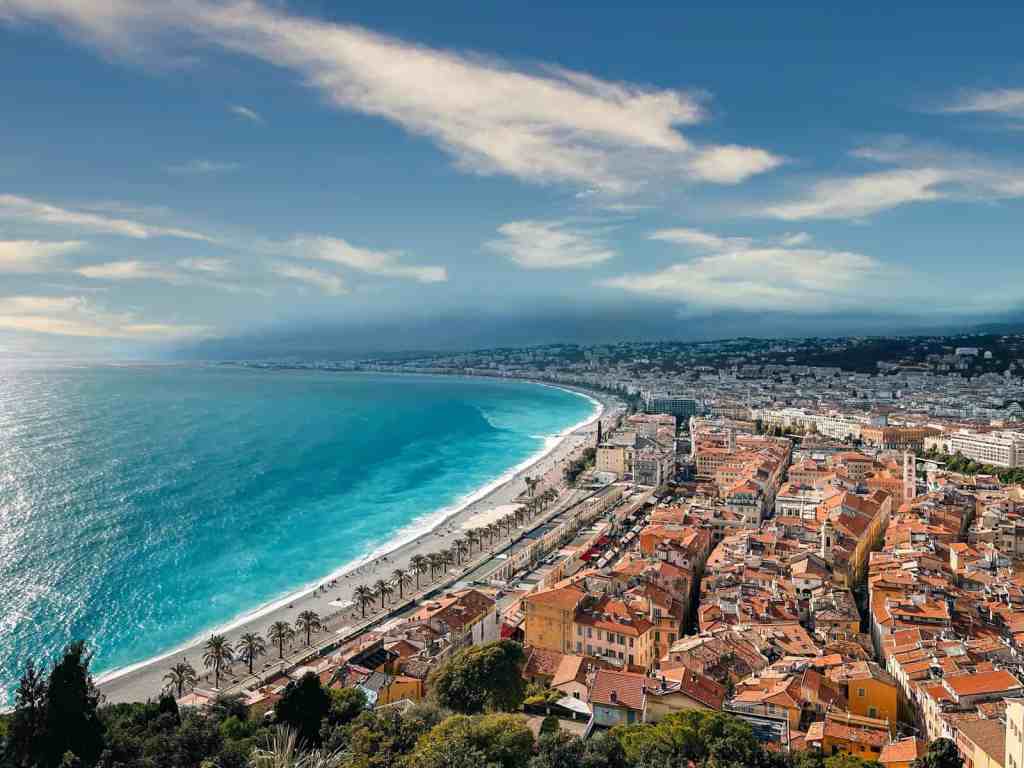
Nice, 20 kilometres west along the Mediterranean coast, offers everything Monaco offers plus genuinely decent value. Better food, genuine local character, and reliable accommodation at reasonable rates. The train journey is 20 minutes, scenic, and costs £4 each way. By staying in Nice and day-tripping to Monaco, you’ll save €1,500+ over a four-day race weekend. That’s your ticket budget right there.
High-End (If Budget Allows):
Hotel Negresco (€300–500 per night) — The iconic Belle-Époque palace on the Promenade des Anglais. This is where you go if you want elegance without Monaco’s insanity pricing. Excellent service, fantastic breakfast, and you wake up to a Mediterranean view.
Hyatt Regency Nice Palais de la Méditerranée (€250–400 per night) — A beautifully restored 1920s building with modern amenities. Excellent location, great for exploring Nice’s old town on foot.
Mid-Range (Sweet Spot Value):
Beau Rivage (€150–250 per night) — Reliable three-star beachfront hotel with friendly staff, decent breakfast, and you’re steps from the train station to Monaco. No fuss, solid quality.
Westend Promenade (€120–200 per night) — Straightforward, clean, well-located on the Promenade. You get what you pay for—a comfortable room, not frills, but walking distance to everything.
Budget-Conscious (Still Decent):
Hi Nice Promenade des Anglais (€50–100 per night) — Hostel-style but with private rooms available. Popular with F1 fans who know the secret. Clean, social atmosphere, and you’ll meet other race-goers at breakfast.
Guesthouse du Vieux Nice (€70–130 per night) — Family-run guesthouse in the charming old town (Vieux Nice). Authentic, quiet, excellent morning pastries, and a 15-minute walk to the train station.
Pro Tip: Book your Nice accommodation now if you haven’t. June is peak summer season, and race weekend fills hotels weeks in advance. Even budget options get reserved 4–6 weeks early.
The Train (TER) Hack
The TER regional train runs directly from Nice to Monaco along the coast.
Cost: Approximately €4 one-way. Buy round-trip for €8.
Duration: 20 minutes of scenic coastline. You’ll literally see the Mediterranean the entire ride.
Schedule: Trains run every 10–15 minutes during race weekend. The ride is so short and cheap that traffic chaos becomes irrelevant.
The Sunday Exit Strategy (Critical)
Do not—repeat, do not—go to the main Monaco train station at 5:00 PM on Sunday. The line to leave Monaco is approximately 2 hours long. Thousands of fans converge on a single platform, and it becomes a mob scene.
Better Option 1: Walk 15 minutes east to the Roquebrune-Cap-Martin station (also marked as the Monte Carlo Country Club stop). Trains stop here, the platform is less crowded, and you’re out 45 minutes earlier.
Better Option 2: Stay in Monaco for dinner until 9:00 PM. Grab a pizza or pasta (see Food section below), let the crush die down, and take a 9:15 PM train back to Nice on nearly empty trains. You’ll actually enjoy the ride.
Food & Drink: Eating Well At a Good Price
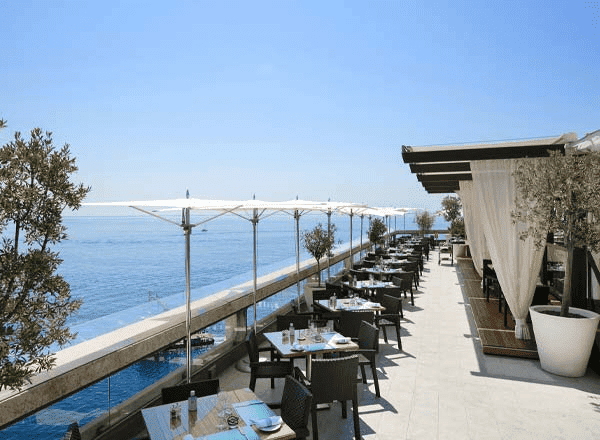
Monaco’s restaurant scene is world-class. It’s also priced for people who own yachts. A decent dinner easily runs €80–150 per plate, and you can spend more on food than on your race ticket. The genius move is mixing strategy: picnic supplies from supermarkets for daytime track eating, proper restaurants in Nice for evenings, and selective Monaco dining only when it’s worth it.
Actual fans don’t eat inside the circuit. They’ve learned the system.
The “Carrefour City” Supermarket Hack
There is a Carrefour City supermarket (small, fast French grocery) directly inside the Monaco train station and another near Place d’Armes. Buy your provisions here before entering the circuit.
The Winning Combo (€10 total):
- One fresh baguette
- Local Emmental or Camembert cheese
- A bottle of Côtes de Provence rosé or local beer (Monaco’s humidity in June means cold beer tastes like heaven)
- A pastry for breakfast
Eat on your hillside seat. You’ve just fed yourself for a day at 1/8th the cost of a café.
The Post-Race Party: La Rascasse Bar
The legendary Stars ‘n’ Bars is gone or pivoting into something different. Don’t chase that ghost.
Instead, head to La Rascasse bar after the race ends. Named after the final corner, it opens to the public after the race concludes and becomes the unofficial post-race celebration spot. Drivers sometimes show up. Even if they don’t, it’s where the energy is.
The Driver’s Choice: Tip Top Pizzeria
Skip the €50 pasta dishes aimed at tourists. Grab a slice at Tip Top, the legendary pizzeria where F1 drivers actually eat. It’s famous in Monaco circles, the pizza is excellent, and a meal costs €12–18.
FAQ: Quick Answers to Everything Else
Below are the questions that come up constantly. They matter more than you’d think.
Is there a dress code for the race?
No. Wear practical clothes. You will walk 15,000+ steps. Wear walking shoes. The people in fancy clothes at Monaco? They’re in the Paddock Club (€10,000+ tickets) and never leave air-conditioning. Everyone else is in sneakers and casual wear.
Can I walk the track when the sessions aren’t running?
Yes. This is one of the coolest perks of Monaco. Each evening after the practice sessions and qualifying end, the ACM opens the circuit to the public. You can walk the entire race track, stand at corners, feel the apex banking, and pick up “tire marbles” (tiny fragments of rubber left by practice sessions) as souvenirs.
This is free. Many fans do this Wednesday and Thursday nights before race weekend. It’s how you understand the layout before the chaos.
Is Monaco actually a separate country?
Yes, technically. It’s a sovereign city-state. But there is no border control between France and Monaco—it functions like crossing between French regions. You don’t need a passport. You don’t get a “stamp.” France and Monaco are Schengen neighbors; you just walk in.
What if it rains?
Bring a rain jacket. June rain in Monaco is usually brief. The race has never been cancelled due to rain in modern history; it’s been delayed or shortened, but the show goes on.
Should I bring binoculars?
Yes. Even grandstand seats benefit from binoculars for pit lane visibility and spotting which driver is in which car (liveries are small from certain angles). They’re €20 and worth every euro.
What about getting food inside the circuit?
Expensive and mediocre. Stick to the supermarket hack. You’ll eat better food and save €100+.
The Bottom Line…Go if you can!
Going to the Monaco Grand Prix is achievable. You don’t need a yacht or a trust fund. You need a plan, a willingness to wake up early (for the Rocher), and a phone with the ACM ticket link bookmarked.
Tickets first. Everything else follows.
Sign up for the ACM newsletter. Set the reminder. Book Nice now (hotels are already tightening in June). And when tickets drop, be ready.
World Football Guide: World Cup Venues, Premier League and More
Written by Brad Richards, Founder of Gameday Guides. This guide includes insights from personal visits as well as updated info from team sources, fan forums, and stadium policies. We aim to help you plan with confidence — enjoy your gameday.