


Best Seats At Penn State Football Games
Beaver Stadium — officially West Shore Home Field at Beaver Stadium since West Shore Home’s naming deal landed in 2025 — is the second-largest stadium in the country and, on the right Saturday, the loudest place in college football. Home to Penn State since 1960, it holds over 106,000, wraps a natural-grass field in a bowl of steel that climbs 110 rows on the east side, and shakes hard enough during “Zombie Nation” that the movement is engineered into the structure, not an accident.
This is a classic old-school bowl, which means most of it is backless metal bleachers, the walk from the lots is longer than the map suggests, and State College is a genuine destination — you’re planning a weekend, not a Sunday afternoon. Right now the whole west side is a construction zone as a $700 million rebuild reshapes the stadium through 2027, so where you sit and how you get in both matter more than usual. Here’s how to do it right.
Seating Overview
The thing that drives a good seat here isn’t luxury — outside the club and suite levels, everyone’s on the same aluminum benches with no backs, so comfort is roughly equal and cushion-dependent no matter what you pay. What actually separates seats is angle and elevation. This is football, so the sideline-versus-end-zone call is the whole game, and Beaver Stadium’s bowl is steep enough that height reads very differently on the lower deck than the upper.
Best Non-Premium Seats
The lower-bowl sidelines, roughly between the 20-yard lines. The east and west lower sections along the sidelines put you close to the action with a clean view of both sets of downs, which is what you want for actual football — you see plays develop instead of guessing at depth from behind the goalposts. The tradeoff is price and demand; sideline lower is where the season-ticket base sits, so single-game inventory is thin and secondary prices run high, especially for a night game. Note that through the 2026 season the west sideline is temporary bleacher seating perched on the new tower’s base, so the east lower sideline is the more reliable target while construction continues.
The lower-bowl corners near midfield. Where the sideline bends toward the end zone, you get most of the sideline angle at a real discount off the dead-center sections. It’s a smart compromise seat — you give up a little of the straight-on view and gain a lot on cost.
The north end-zone lower rows. The north end is the newer, more open end, and the lower rows there get you close to the field for less than any sideline seat. The angle is an end-zone angle — fine for atmosphere and goal-line drama, weaker for tracking a play across the field.
Best Value Seats
The first several rows of the upper deck on the sidelines are the smart-money pick. You’re higher up, but the bowl is steep and the press-box side sightline is genuinely good — you see the whole field as a coach would, which for reading a game some fans actually prefer. You pay a fraction of lower-sideline prices for it. The north upper deck’s lower rows are the other value play: close-ish, elevated, and cheaper because it’s an end-zone seat.
Budget/Cheap Option.
The top of the upper decks, north or south end. This is the true bargain-basement answer — nosebleed rows in the end-zone upper decks are the cheapest ticket into the building, and on a big night the atmosphere reaches you just fine. The real downside is spelled out honestly: it’s a long climb, the view is distant, and in a late-season game the wind and cold up there are punishing in a way the lower bowl is spared (more on that below). For an early-season noon kickoff against a smaller opponent, though, it’s a great cheap way to say you were there. And if you just want to be in the stadium for a white out or a monster game. Do it.
My Pick
If you’re handing one recommendation to a friend on their first trip, get lower-bowl sideline seats on the east side, somewhere in the 20-to-40-row range between the 20s. High enough that plays open up in front of you, low enough that the noise hits you like weather, and on the stable side of the stadium while the west is under construction. It’s the seat that makes people understand why this place has the reputation it does.
Seats to Avoid (and What’s Worth Trying Once)
The far corners of the upper end-zone decks flatten the angle badly — you’re high, distant, and looking down the field lengthwise, which is the worst of both worlds for actually watching football. The very back rows of any upper deck in November aren’t worth it unless the game is the only thing you care about; the climb and the exposure outweigh the savings for most people.
Worth it once — the student section (the S-Zone) at the south end, if you’re a student. It’s standing-room the entire game, packed shoulder to shoulder, and it’s the loudest, most exhausting, best atmosphere in the building. Nobody sits, nobody stops, and it’s the closest thing to being inside the noise rather than watching it. Not a seat for a relaxed afternoon, but a rite of passage if you qualify.

Premium Seating Options
Premium at Beaver Stadium is in the middle of a total transformation. Through the 2026 season, the premium inventory lives on the east side — a set of executive suites and the club-seat level built into the tall three-level structure above the east stands, where beer and wine have been served since 2016. The headline changes are all on the new west tower opening for 2027.
The Best Premium Experience
When the new PAM Health Misitano Family Tower opens on the west side for the 2027 season, the standout will be the Marzano Club — a roughly 50,000-square-foot lounge at midfield, the largest club space in the stadium, with a full bar, all-inclusive food and beverage that includes beer and wine, and wide cushioned seats out front. It’s the top of the new premium ladder, priced accordingly (club seats start around $4,500 per seat with a required capital gift on top), and it’s the space Penn State is building the west side around.
Best Value Premium
The Schuyler Family Club, sitting just below the Marzano Club, is the one that over-delivers. It’s a 20,000-square-foot private lounge with the same all-inclusive food and beverage model and the same wide seats, at a lower entry point than the Marzano level above it — you get the great majority of the new west-side premium experience without paying for the very top tier. For a fan who wants the club treatment on a game weekend rather than a lifelong seat, this is the call.
Other Premium Options
The new west tower will also add 15 executive suites and 30 loge boxes — the loge boxes seating six with room for eight, sold via a $50,000-to-$100,000 capital gift and already sold out with only a waitlist open. There are around 4,500 club seats total across the two clubs. Premium ticket holders enter through the new Lubert Family Welcome Center, the west-side entrance Penn State is positioning as the stadium’s “front door.” Skip the specifics on the loge boxes unless you’re a donor — they’re effectively spoken for.
Suites & Group Options
Suites and the larger clubs double as year-round private-event spaces, and group and hospitality bookings run through Penn State Athletics’ premium ticketing team rather than the general single-game market. If you’re organizing a corporate or large-group outing, that’s the channel; expect season-length commitments and capital gifts for the marquee spaces rather than one-off game pricing.

Beaver Stadium Seating Chart and Capacity
Beaver Stadium Seating Chart & Capacity
Beaver Stadium’s capacity is 106,304 for the 2025–2026 renovation phase, trimmed slightly from its longtime figure of 106,572 by the west-side construction — still the second-largest stadium in the United States, behind only Michigan Stadium. The stadium set its all-time attendance record of 111,030 against Ohio State on November 2, 2024. The bowl is a continuous lower level wrapping the field, with upper decks over the north and south end zones and the tall east-side structure housing the club and suite levels; the west side is a temporary bleacher configuration through 2026 while the new tower rises. The student section sits at the south end.
For a detailed view of Beaver Stadium’s seating arrangement, you can refer to the official seating chart on the Penn State Athletics website: Beaver Stadium Seating Chart.
Getting the Best Tickets to Penn State Football
Demand is not evenly spread, and that’s the whole game with Penn State tickets. The White Out (one marquee home game a year, usually a top opponent under the lights) and the Ohio State game are the two you’ll overpay for no matter what — buy those early or brace for brutal secondary prices. The buy-side value is in the early-season non-conference games (think a September noon kickoff against a smaller opponent), where secondary-market prices routinely fall below face in the days before kickoff as season-ticket holders dump seats they won’t use.
If you’re flexible on which game, that’s the arbitrage. For the big ones, face value through the official exchange usually beats the resale markup; for the small ones, wait and pounce on the secondary market the week of.
You can great Penn State Tickets through our partnership with Vivid Seats! Also always check the Penn State Athletics website for ticket availability and sale dates.
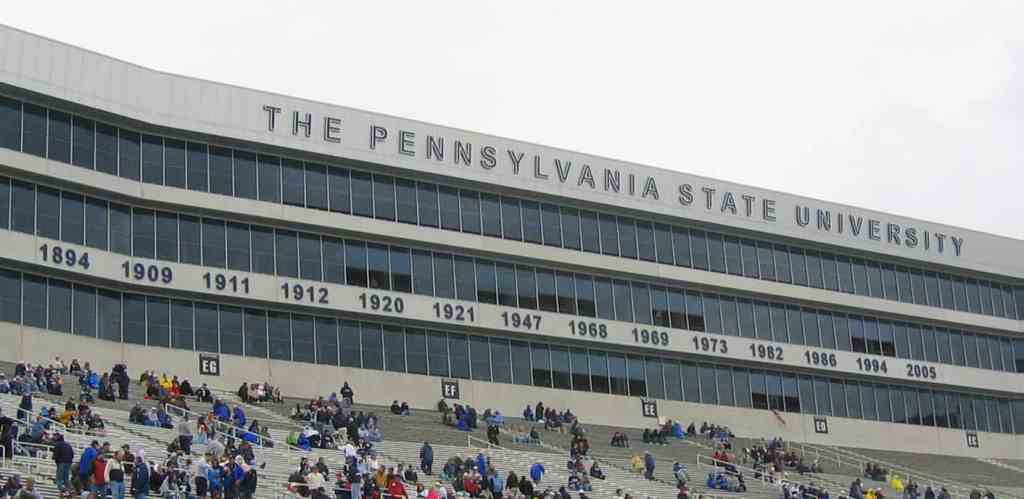
Beaver Stadium Bag Policy
Beaver Stadium runs a strict clear-bag policy. You can bring one clear plastic, vinyl, or PVC bag no larger than 12″ × 6″ × 12″, or a one-gallon clear freezer bag, plus one small clutch or wristlet no bigger than about 4.5″ × 6.5″ that doesn’t have to be clear. Everything else is turned away at the gate — backpacks, purses, diaper bags, drawstring and cinch bags, camera bags, and fanny packs are all prohibited, and there’s no bag check, so anything that doesn’t comply goes back to your car or gets discarded. A rollable seat cushion with no pockets is allowed and, on those benches, strongly recommended. Babies come in via a soft carrier or sling (rigid-frame carriers and strollers aren’t permitted), and note that a baby needs a ticket.
Key Stadium Policies
A few that catch people out. There is no re-entry — leave the stadium and you’re done for the day, so plan your tailgate-to-gate timing accordingly. Yes, Beaver Stadium sells beer, stadium-wide since 2022: 16-ounce cans at concourse, field, and club locations, with a two-drink-per-transaction max, ID scan and wristband required, and — notably — no sales near the student section at the south end. Only beer is sold to the general public, no seltzer or liquor. Outside food and drink aren’t allowed past the gates, with the exception of a sealed water bottle. And everyone passes through a metal detector on the way in.
Is Beaver Stadium Cashless?
Yes — Beaver Stadium is completely cashless. Concessions, merchandise stands, the ticket office, and the parking garages all take cards and mobile pay (Apple Pay, Google Pay) only, with no cash accepted anywhere inside. If you’ve only got bills on you, handle it before you arrive; there’s no reliable cash-to-card fallback once you’re at the gates.
Beaver Stadium offers accessible seating, companion seating, assistive listening devices, and wheelchair assistance. Guests who need to bring a permitted medical or child-care bag that falls outside the standard policy enter through a designated gate — either the ADA gate on the west side or Gate B by the stadium police station. Given the size of the bowl and the distance from most lots, it’s worth arranging mobility assistance in advance through Penn State’s accessibility services rather than sorting it out on gameday.
For a full list of policies and the most up to date information click here.
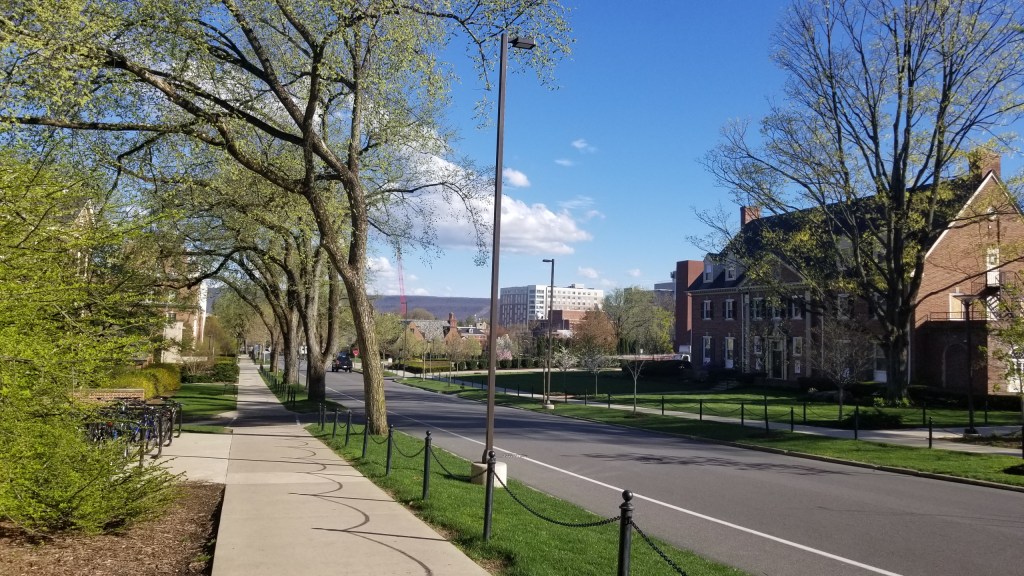
Beaver Stadium Parking
State College has no rail service, so this comes down to buses, shuttles, parking, and rideshare — and on a game Saturday the smartest move is often to leave the car parked and ride in. Here’s the honest ranking.
Driving and Where to Park
If you’re driving to the stadium itself, you need a permit for the stadium lots, which open several hours before kickoff (as early as 8 a.m. for a game with ESPN’s College GameDay in town). Without a stadium permit, the realistic options are the campus decks (HUB, Eisenhower, East, Nittany, West — free with a valid Penn State permit, hourly otherwise) and the downtown garages (Beaver Avenue, Fraser Street, McAllister Street, Pugh Street), which are first-come, first-served at hourly rates and pair naturally with the free Blue and White Loops. RV and overflow crowds use the Grange Park park-and-ride with a paid shuttle. Everything is cashless, garages included.
CATA Gameday Shuttles & Park-and-Ride
For hotels and park-and-ride lots a little farther out, CATA runs two paid Game Day Shuttles: a Downtown Shuttle serving downtown hotels and the three downtown parking garages, and a South Atherton Shuttle serving the hotel strip along South Atherton Street plus park-and-ride lots including the rear of Hills Plaza. Fare runs about $2.50 per trip or $7 for a day pass through the Token Transit app.
Shuttles start rolling three hours before kickoff (five hours for a night game) and run continuously until about an hour after the final whistle. If you’re staying on South Atherton or want to park free and ride, this is the play.
The Blue and White Loop (Free Campus Buses)
The best-kept non-secret in State College: the CATA Blue Loop and White Loop buses run continuously through campus, connect downtown to within walking distance of the stadium, and are completely free — no fare, no pass.
They run late on game days (the Blue Loop until about 12:30 a.m., the White Loop until 2:30 a.m.), which makes them the ideal way to get from a downtown hotel or bar to the stadium and back without touching a car or paying for parking. Campus is bigger and hillier than it looks on a map, and these save your legs for the game.
Rideshare & Driving Out
Uber and Lyft work, with designated drop-off and pickup zones near the stadium, but surge pricing after the game is steep and the pickup scrum is real — walking a few blocks away from the stadium before you request cuts both the price and the wait. The bigger issue is getting out by car at all: Penn State enforces one-way outbound traffic patterns after the game, and a hundred thousand people leave at once. The locals’ move is to not fight it — head downtown, wait out the crush at a bar for an hour or two, and drive home when the roads have cleared.
Insider Tips For Penn State Gameday
A Penn State home game isn’t an afternoon, it’s a weekend. People roll into Happy Valley on Friday, the lots fill before dawn on Saturday, and the tailgate is as much the point as the game. Here’s what separates people who’ve done this from people reading a schedule.
Why It’s Called Beaver Stadium
The name has nothing to do with the animal. The stadium — and the field before it — is named for James A. Beaver, a Civil War general, Pennsylvania governor from 1887 to 1891, and longtime president of Penn State’s board of trustees. The current stadium opened in 1960, and in one of the wilder feats in stadium history, the earlier steel structure was literally dismantled into hundreds of pieces and moved across campus to build it. It’s grown by expansion after expansion ever since — from 46,000 seats in 1960 to over 106,000 today — which is why the bowl feels like several stadiums stacked on top of each other, because in a sense it is.
The Beaver Stadium Renovation, Explained
This is the biggest thing happening to the stadium in a generation, and it’s worth understanding before you go, because it shapes your visit through 2027. Penn State is spending roughly $700 million to completely rebuild the west side, replacing the old grandstand and press box with a new tower housing two premium clubs, executive suites, loge boxes, wider concourses, modern restrooms and concessions, upgraded connectivity, and the new Lubert Family Welcome Center entrance.
Demolition started after the 2024 season, the steel topped out in June 2026, and the project is targeted for completion before the 2027 season. Temporary bleachers have held capacity above 106,000 throughout, so no season-ticket holder loses their seat while it’s built around them.
Arrival Strategy & the Team Walk
Get there early, and specifically get there for the team walk about 2.5 hours before kickoff, when the players and the Blue Band process toward the stadium through a corridor of fans — it’s a genuine moment and the good vantage points fill up.
Gates typically open two hours before kickoff (so around 5 p.m. for a 7:30 night game). If you’re walking up, the east-side gates generally move faster than the west, which is worth knowing when a hundred thousand people are all trying to clear metal detectors at once.
Tailgating in Happy Valley
Tailgating is the soul of a Penn State Saturday, and the epicenter is the intramural fields — the Mud Bowl — which earn the nickname honestly, turning to swamp after any rain, so bring boots if the forecast is wet.
Two rules to internalize: no glass anywhere in the lots, enforced hard by police on bikes, and the caravan rule, where cars traveling together to claim adjacent tailgate spots need to arrive together. Lots open early and the scene runs all morning.
For a lighter-lift pregame, the Bud Light Backyard Beer Garden at Gate F opens three hours before kickoff with lawn games, TVs showing the rest of the slate, and a two-story bar open to any ticketed fan.
Food & Drink: The Creamery Run and Beyond
The move every veteran makes: Berkey Creamery ice cream, the legendary Penn State creamery, ideally timed for the start of the third quarter when the line thins because everyone else is glued to the game. Inside the stadium, the concourse chicken baskets and brats are the reliable order. The one timing hack that matters — hit concessions during play, not at the quarter breaks, or you’ll spend the whole intermission in line.
Traditions: The White Out, Zombie Nation & the S-Zone
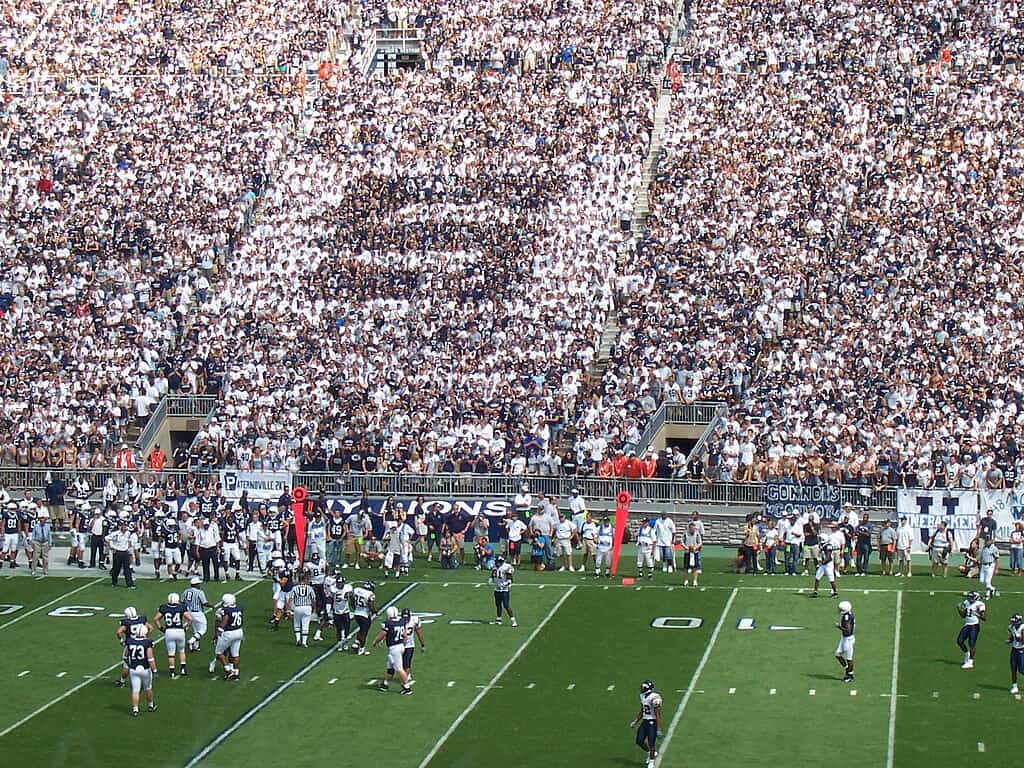
The White Out is the one to build a trip around — one home game a year, everyone in white, and it’s regularly cited as the best atmosphere in college sports.
“Zombie Nation” (Kernkraft 400) is the anthem that gets 106,000 people jumping in unison hard enough to physically move the stadium, which, again, is engineered in on purpose. The S-Zone is the student-section card display at the south end, and the Lion Surf and “We Are… Penn State” call-and-response are the rituals a first-timer should know before they’re standing in the middle of them.
Weather in State College
State College sits in a valley ringed by mountains, and the weather at your tailgate can be nothing like the weather in the upper deck. Even on a mild, sunny fall afternoon, the wind chill in the upper bowls — especially the north and west sides — can be genuinely brutal, and it turns on you fast once the sun drops behind the rim. Pack a layer into your clear bag no matter how warm it feels in the lot; nobody who’s been burned by an October night game up top goes without one twice.
Early-season noon kickoffs flip the problem — the open bowl bakes, so that’s a sunscreen-and-water day. Here is the local forecast from the National Weather Service.
The Connectivity Blackout
With over a hundred thousand people packed into a few acres, cell service historically collapses — calls fail, texts arrive 45 minutes late, and finding your group by phone once you’re near the stadium is a lost cause. The renovation is adding upgraded connectivity, but on a packed Saturday you should still agree on a specific physical meetup spot and time before you split up.
If you must text a meeting time, type the current time into the message itself (“porta-johns, 11:15”) so your friend knows how stale it is when it finally lands.
Exit Strategy & Beating Traffic
Covered above in Getting Out, but the short version bears repeating as a tip because it’s the mistake first-timers make: don’t sprint for your car at the final whistle and sit in a parking lot for 45 minutes.
Either ride the free Blue or White Loop, or wait the traffic out downtown — the locals decamp to a bar, let the one-way outbound crush dissolve, and leave when the roads are actually moving.
Families & Kids
Beaver Stadium is family-doable but plan around a few realities: strollers aren’t allowed, a baby needs its own ticket, and it’s a big, loud, long day with a serious walk from the lots. Bring ear protection for little ones — the noise here is not an exaggeration — and factor the backless benches into how long a small kid will last. The lower-bowl corners are an easier family target than the upper decks, given the climb and the exposure up top.
Things to Do in State College
If you’ve got the weekend, a few things beyond the game are genuinely worth the time. The Arboretum at Penn State spreads across 370 landscaped acres with a whimsical Children’s Garden and easy walking paths — the low-key, pretty way to spend a Sunday morning before the drive home, and a good picnic spot. Mount Nittany is the hike that gives the whole valley its name and its best panoramic view; pick a trail to match your legs, bring water, and you’ll understand the landscape the stadium sits in. And Downtown State College is the heart of it all — College Avenue’s shops, galleries, coffee, and restaurants — walkable, lively, and the natural place to base a game weekend.
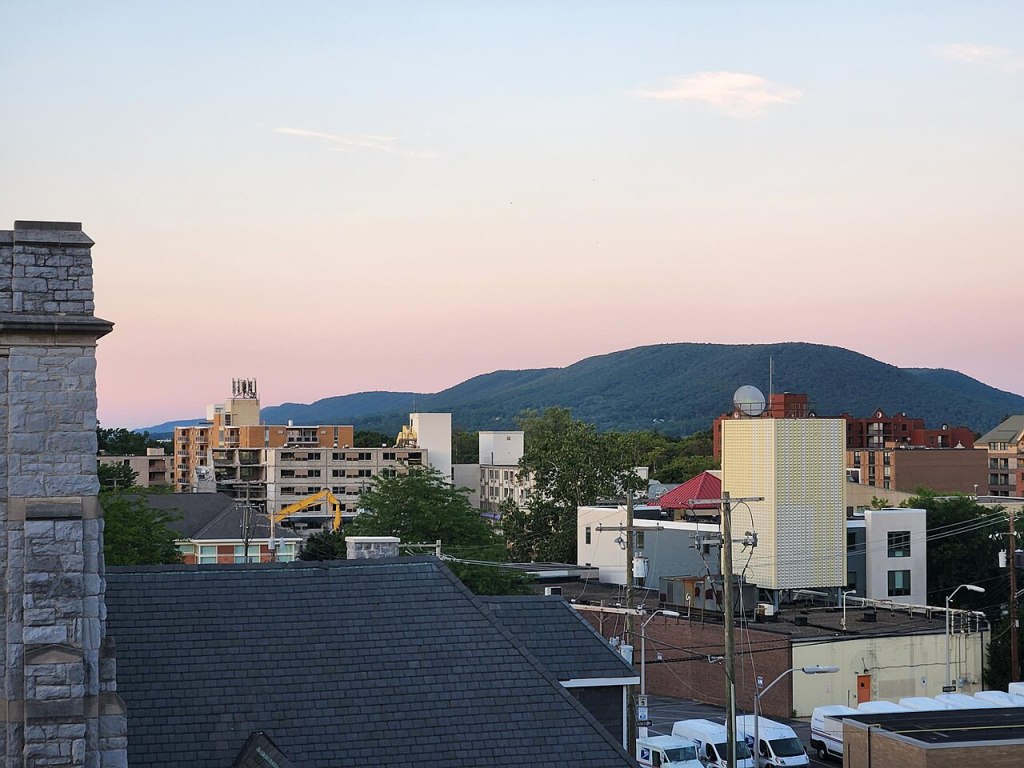
Hotels Near Beaver Stadium
Most Penn State fans are local or drive in from within a few hours, but if you’re traveling for a game—especially a White Out or big rivalry matchup—you’ll want to book a hotel months in advance because State College is a small college town that completely fills up on game weekends.
Downtown State College is your best bet: it’s an easy walk or short rideshare from Beaver Stadium, and you’ll be near bars and restaurants for pre- and post-game. Hotels book out 6+ months ahead for marquee games, and prices can surge 2-3x normal rates for White Out weekends and rivalry matchups like Ohio State or Michigan.
Areas to Stay
Stay along College Avenue or Beaver Avenue if you want walkability and nightlife access—this puts you near Champs, Cafe 210 West, and Happy Valley Brewing for post-game drinks. Stay near the Penn State campus if you want to be close to the stadium and avoid driving on game day. The area is safe, walkable, and you’ll be surrounded by other fans heading to the same place.
Nice/Mid-Tier Hotel Options
The Nittany Lion Inn – $200-400+ depending on the opponent – This is the iconic on-campus choice for visiting fans and alumni, walking distance to Beaver Stadium and downtown. Books out extremely early for game weekends—reserve 6+ months ahead or you’ll miss it entirely. If you can get a room here, it’s the quintessential Penn State gameday experience.
Country Inn & Suites by Radisson – Short drive or walkable for those who don’t mind a 20-minute walk to the stadium. Clean, reliable, and good breakfast included. Solid mid-tier choice if you want something affordable and close.
Hilton Garden Inn State College – In the College Avenue area, easy walk to bars and restaurants after the game. Good location, clean rooms, solid hotel gym.
Hyatt Place State College – On West Beaver Avenue with rooms on upper floors that have views of the stadium. Breakfast included, modern rooms, walkable to downtown.
Hampton Inn State College – Closest major hotel to Beaver Stadium, under a mile walk. Clean, affordable, convenient for families who just want proximity without complications.
Residence Inn by Marriott State College – A bit farther out but offers suite-style rooms with kitchens if you’re staying multiple nights. Fitness center, free parking. Good for families or longer stays who don’t mind driving to the stadium.
Fairfield Inn & Suites by Marriott State College – Farther from campus but still solid quality and more budget-friendly than downtown options. Free breakfast, clean rooms, easy highway access.
Budget Options
Baymont by Wyndham Milesburg – $80-130 – Located in Milesburg, about 10-15 minutes from Beaver Stadium by car. Clean, basic, and you’ll need a car or rideshare to get to the stadium. Good if you just need a place to crash and want to save $50-100 per night compared to downtown hotels.
Tru By Hilton Bellefonte – In Bellefonte, about 15 minutes from State College by car. Modern budget option, clean rooms, but you’re definitely driving to the game. Worth it if you’re on a tight budget and booking late when everything closer is sold out or price-gouging.
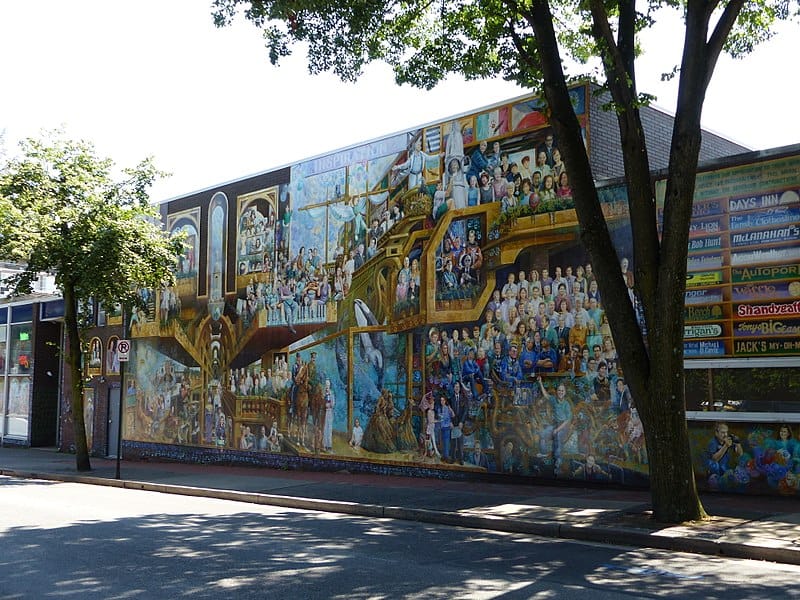
Penn State Gameday: A Saturday in Happy Valley
A home game turns State College from a quiet college town into one of the most populated places in Pennsylvania for about 36 hours, and the weekend runs on a rhythm worth knowing before you’re swept into it. Fans roll in Friday, and Saturday starts early: the move is breakfast at The Waffle Shop on College Avenue, a Centre County institution for going on 50 years, where the line spills down the block by mid-morning — get there before 8 if you don’t want to wait.
From there it’s out to the tailgate lots for the bulk of the morning, or a quick downtown lunch, with a walk-up slice from a pizza joint like Canyon Pizza on Beaver Avenue being the classic cheap, fast fuel before the drinking gets going.
A few hours before kickoff, downtown fills up and the pregame splits by temperament — patio bars when the weather’s good, TV-walled sports bars when you want to catch the rest of the slate over a beer. Then the whole town flows toward the stadium for the team walk and kickoff.
After the final whistle, the smart play is to not fight the traffic — the crowd pours back downtown to the bars along College Avenue and Allen Street to celebrate or commiserate while the one-way exit routes clear out. Fair warning: these places get mobbed on a game Saturday, so grab your spot early or be ready to wait.
The Legendary Gameday Spots
The Phyrst – A dark, cozy underground bar on Beaver Avenue that’s been a State College institution for decades. This is where locals and alumni go for live music (often 365 days a year), cheap drinks, and an authentic college town atmosphere. It opens at 5pm most nights (7pm on Sundays), so it’s a post-game spot, not a pre-game hangout. Don’t expect fancy—it’s a basement bar that’s “dark and smelly” in the best way, and it’s one of the only places that lets you drink at midnight on your 21st birthday. This is a rite of passage for Penn State fans.
Champs Downtown – A multi-level sports bar right on Allen Street across from campus, perfect for watching games on big screens and handling large crowds. Open weekends starting at noon, so you can catch pre-game action or post-game recaps with food and drinks. It’s more of a traditional sports bar vibe than The Phyrst—expect TVs everywhere, pub food, and a younger crowd. They card everyone at the door, so bring your ID.
Cafe 210 West – A State College staple on West College Avenue famous for its outdoor patio and massive shareable cocktails called “Fishbowls”. The patio is the place to see and be seen in State College, especially on warm gameday afternoons. Open at 11am, so it works for both pre-game and post-game. The vibe is relaxed, the drinks are affordable, and it’s perfect for people-watching while you wait for traffic to clear. Locals call the Fishbowls “IceT” and they’re a gameday tradition.
The Food Champions
Hi-Way Pizza – A local institution since 1963 serving classic pizza, calzones, and wings in a casual, no-frills setting. This is the kind of place where generations of Penn State families have eaten before heading to Beaver Stadium—it’s not fancy, but it’s authentic and affordable.
The Waffle Shop – The go-to breakfast spot on gameday mornings on East College Avenue downtown. Famous for creative waffles, hearty omelets, and fast unlimited coffee. Open 7am-2pm daily, so arrive early for breakfast before a noon game. Expect long lines on football Saturdays—20-30 minute waits during peak hours. Pro tip: Locals prefer the original Waffle Shop locations owned by a Greek family over the downtown “imposter,” but both are solid.
Faccia Luna Pizzeria – Authentic wood-fired pizza with high-quality ingredients and creative toppings, ideal for feeding groups of fans who want something more elevated than typical gameday fare. A local favorite for sit-down Italian that’s a step up from casual pizza joints.
Where to Get a Drink
Zeno’s Pub – A laid-back college bar with over 100 beers on tap, including local craft brews. The extensive beer menu and welcoming vibe make it a favorite among fans looking to sample local flavors while discussing the game.
The Field Burger & Tap – Specializes in gourmet burgers made from locally sourced ingredients, complemented by an excellent craft beer selection. It’s more refined than typical gameday spots but still maintains the college town atmosphere. Perfect for fans wanting a quality meal without sacrificing the gameday vibe.
Solid Restaurants in State College
The Tavern Restaurant is a classic downtown sit-down where families and alumni have dined for generations; worth a reservation on game weekends. The Corner Room in the historic Hotel State College is the go-to for a big pregame breakfast and a slice of history. Otto’s Pub & Brewery offers good beer and solid pub food away from the downtown hustle. For something different, Gigi’s Southern serves authentic Southern cooking, while Faccia Luna is perfect for pizza and Italian. Don’t miss the Berkey Creamery on campus — its ice cream is a Penn State institution.
Why You Should Go
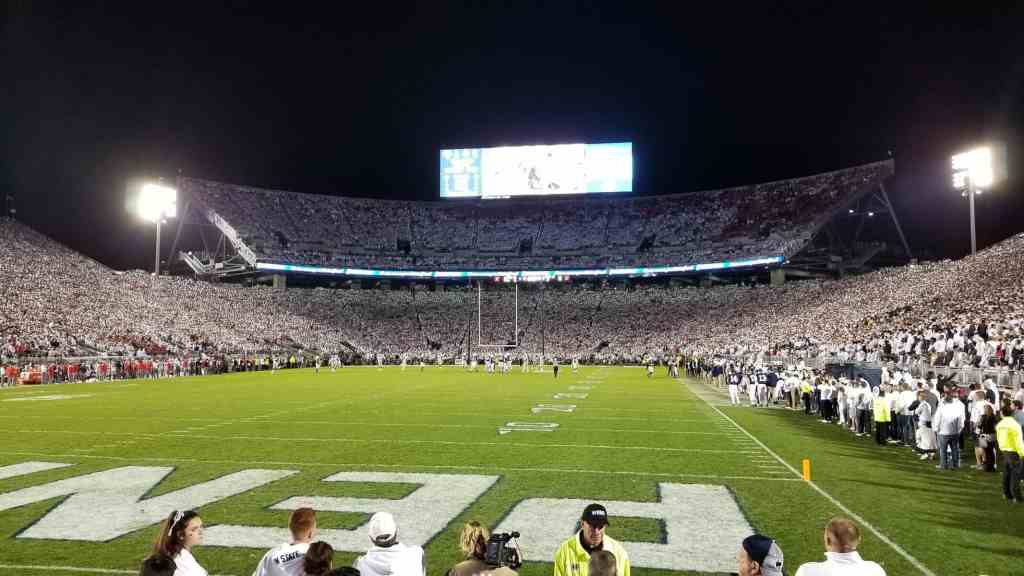
Beaver Stadium on a fall Saturday is one of the best atmospheres in college football—fans who know how to make noise, a tailgate scene that starts at sunrise, and a program with real history and tradition. The rough edges are real: backless benches, long walks, unpredictable valley weather, and a construction zone on the west side through 2027. But on certain nights, during a White Out here, with 106,000 people in white jumping to “Zombie Nation” hard enough to move the steel under your feet, well this is one of the handful of things in American sports that lives up to every bit of the hype. Go once and you’ll understand why people have planned their autumns around this for generations.
Here is our entire College Football Section as well as some links to some Big 10 opponents:
Written by Brad Richards, Founder of Gameday Guides. This guide includes insights from personal visits as well as updated info from team sources, fan forums, and stadium policies. We aim to help you plan with confidence — enjoy your gameday.