

Best Seats at Met Life Stadium
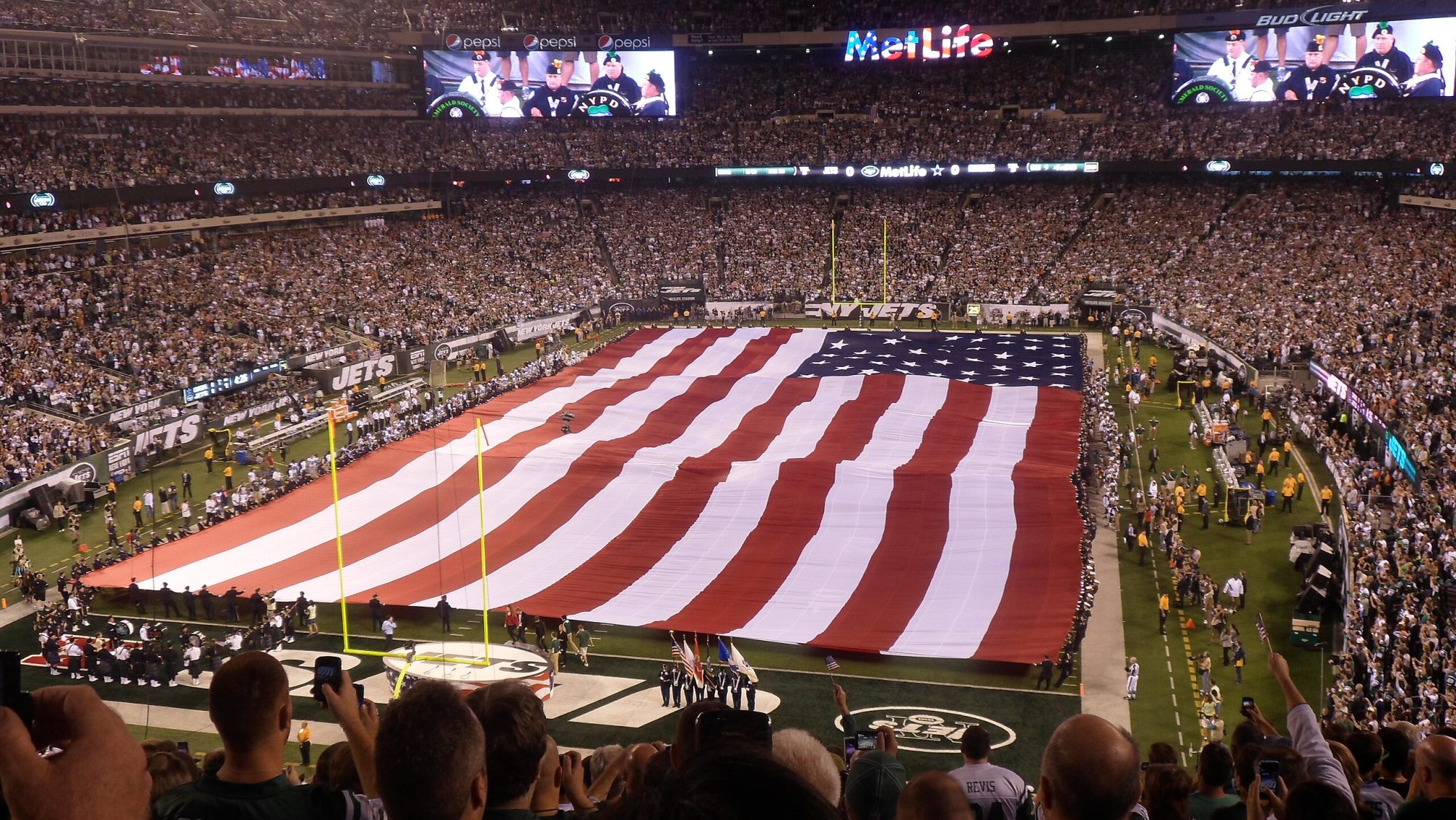
MetLife Stadium opened in 2010 as the only NFL building shared by two franchises, and that dual-tenant DNA shapes everything about it. It’s a clean, modern, 82,500-seat bowl with no obstructed views and no real bad angles — the trade-off is that it has the architectural soul of a very expensive parking garage, which is the honest knock you’ll hear from locals. What it lacks in charm it makes up for in scale and access: it’s hosted a Super Bowl, Copa América, WrestleMania, the biggest concert tours on earth, and most recently the biggest event on planet earth, the World Cup Final.
The one reality every first-timer needs to internalize is that the stadium sits in the middle of the Meadowlands swamp in New Jersey, not in New York City, and how you get there matters more than where you sit. Get the logistics right and it’s a great day. Get them wrong and you’ll spend two hours in a parking lot wondering why you came. Here’s how to navigate all of it, starting with the seats.
Seating Overview
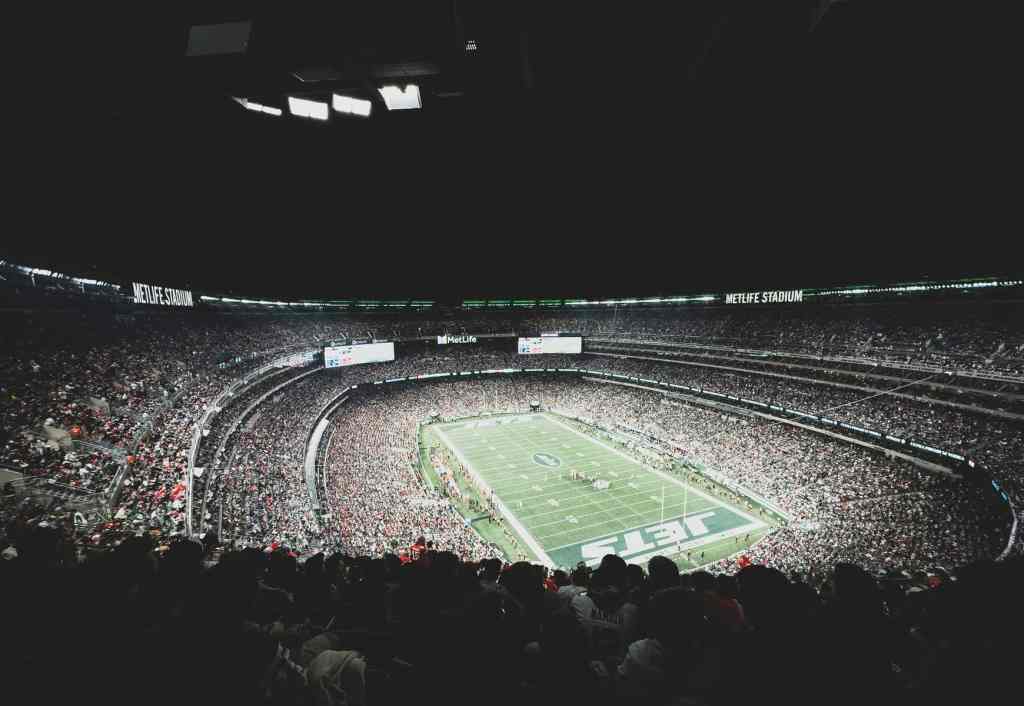
Three decks, no pillars, no cutouts, and nothing that qualifies as a genuinely bad sightline — the bowl was engineered late enough to avoid all of that. So the seat decision here isn’t about dodging obstructions. It’s about how much you’ll pay to be close, and whether you’d rather be low and in it or high and able to read the whole field.
Orient yourself off the benches. The home bench fronts the lower-bowl sections in the 110s — that’s the side the field-level Coaches Club sits behind — and the visiting bench faces the 130s and 140s. Both the Giants and Jets use the same home sideline, so that geometry never changes regardless of which team is hosting. For football, sideline beats end zone and midfield beats corner, but the price gap between “great” and “completely fine” is steep here, which is why the upper deck does so much work in this building.
Best Non-Premium Seats
Lower bowl midfield, the 110s and the high 130s–140s, rows 10–25. This is the seat if the budget allows it. You’re at the 50, low enough to feel the closing speed and high enough to see the far sideline develop. Rows 10 through 25 are the target for a reason: below row 10 the far sideline starts disappearing behind bodies, and the first handful of rows put you behind a bench full of standing 300-pounders. The home-side and visitor-side versions are close to mirror images, so buy whichever is cheaper that week.
Lower bowl off-center, the 105–109, 118–123, 132–137 and 145–149 ranges. Same deck, same proximity, shifted toward the 25 and 35. You lose the perfect dead-center angle and usually save real money doing it, and plenty of people prefer watching a sideline route unfold from an angle rather than head-on. Rows 10–25 again.
Lower bowl back rows, under the mezzanine overhang. The quiet pick for December, and the one nobody sells you. The last rows of the lower bowl tuck under the 200-level, which means you’re dry in a nor’easter and out of the wind in a way nobody else in the open bowl is. You’re farther from the field than the row-15 crowd, and in good weather that’s a downgrade. In bad weather it’s the best non-premium seat in the stadium.
Best Value Seats
Upper deck midfield, the 310s and the high 330s, lower rows. This is where the price-to-view math breaks in your favor and it isn’t close. The 300 level is pitched steeply enough that the front rows of the center sections give you a clean all-22 look at the whole field — the view a coach watches on film — for a fraction of what the lower bowl costs. Stay in roughly the first dozen rows and you’re getting most of the game experience at a small share of the price. What you give up is detail on the far sideline and any sense of the crowd noise that lives down low.
Cheapest Seats at MetLife Stadium
Upper deck corners and end zones. The cheapest tickets in the building, and for football they punch above their price. From high behind an end zone you can see the entire geometry of a play developing toward you, which is more than you can say for a corner seat in the lower bowl. You’ll lean on the video boards for anything involving a spot or a catch, and the back rows genuinely feel the distance — this is a 82,500-seat stadium and the last row of the 300s is a long way from the grass. Buy the lowest rows in these sections you can find; the difference between row 4 and row 20 up there is bigger than people expect.
Upper deck sideline, back half of the section. Slightly more than the corners, meaningfully better angle. If the corner price and the sideline price are within a few dollars of each other on the resale market — which happens often for a non-marquee opponent — take the sideline every time.
Our Pick
The lower rows of the upper-deck midfield sections. Dead center at the 50, elevated enough that you’ll actually understand every play, and cheap enough that you can bring three people and still spend less than one lower-bowl ticket. It’s what I’d hand a first-timer without a second thought.
Weather & Shade Reality
MetLife is fully open-air with no roof, and in summer that matters enormously — especially for World Cup afternoon kickoffs. The key fact: the east side bakes and the west side gets relief. For afternoon games, shade arrives first on the west (home) sideline and the south end zone, filling in from the lower rows upward. Sections in the 124–140 and 224–240 range catch shade earliest. The east side stays in direct sun the longest, and the 300-level east sections are the last to cool off. The “solar ring” canopy ringing the top of the stadium throws shade over the highest back rows of the upper deck, so the cheap seats up top can actually be the comfortable ones late in a sunny game.
The actionable version: for any warm-weather afternoon match, pay up for the west side or the upper-deck back rows if you’re heat-sensitive, and bring sunscreen regardless — there is very little natural shade for a 1:00 or 3:00 kickoff in July.
Seats to Avoid (and What’s Worth Trying Once)
The first three or four rows of the lower bowl behind either bench. People buy these because they’re the closest seats to an NFL field they can afford and then spend the afternoon watching the back of a parka. You’re paying a premium for proximity and getting a worse view of the game than someone in row 18 of the same section.
The last rows of the upper-deck corners. This is the one place in the building where the value argument stops working. You’re as far from the field as it’s possible to be in the NFL, exposed to the full wind, and looking at a corner. If the price difference between these and a lower-row seat in the same section is small, spend it.
Worth it once: the upper deck for a division game in December. Not a comfortable seat and not a good view by any objective standard. But a cold, loud, half-frozen Giants-Eagles or Jets-Bills afternoon from up there, with the wind coming across and the whole bowl in it, is closer to what people mean when they talk about NFL football in the Northeast than anything you’ll get from a padded club seat.
Premium Seating
Premium here runs from “a nicer seat and a warm room” to “you’re standing on the field behind the bench,” and the gap between those two tiers is the widest of any building I know. The mezzanine clubs are comfort upgrades where you still pay for your food. The field-level clubs are genuine experiences that are all-inclusive and priced accordingly. Which ones are open depends on whose home game it is.
The Best Premium Experience
The field-level club at midfield behind the home bench, sections 111C–115C. Currently branded the EY Coaches Club, and it’s the best non-suite seat in the stadium. You’re within about thirty rows of the home sideline, food and non-alcoholic drinks are included, and the signature piece is a private on-field deck a few yards behind the bench where you can stand and watch players come off the field and head down the tunnel. There’s an indoor lounge with a full bar, private restrooms and a dedicated entrance.
Best Value Premium
The mezzanine club seats, sections 232C–245C on the west and 207C–220C on the east. This is the one I’d actually buy. You get a second-deck sideline seat — arguably the best pure viewing angle in the stadium — with padding, extra legroom, and access to a climate-controlled lounge with full-service bars, better food than the concourse, private restrooms and no weather. Nothing is included; you’re buying food and drink like everyone else.
But you’re paying a fraction of what field-level costs and getting the two things that matter most in a November game in New Jersey: a warm room and a short line. The west lounge is the Miller Lite MVP Club, the east is the Corona Beach Club, and the practical difference between them is sun — the east side is the warm one in September and the exposed one in December.
Other Premium Options
The field-level club on the visitors’ side at midfield is Jets-only, currently the MetLife 50 Club, and it’s the same idea as the Coaches Club aimed at the opposite bench — all-inclusive food and a patio directly behind the visiting team, which is a genuinely different and slightly voyeuristic way to watch a game.
The high-end hospitality lounge on the Jets side, the Green Room, feels more like a private event space than stadium seating. The most exclusive lounge in the building sits on the suite level and is bundled with suite access rather than sold as individual seats. Beyond that, standard club-level seats on the mezzanine get you the wider chair and the concourse without lounge access, and they’re worth checking if the full club price is a stretch.
Suites and Group Options
MetLife has over 200 suites across multiple levels, generally sized for twelve to thirty guests, with private restrooms, catering through the stadium’s caterer, a dedicated attendant and a private entrance. They’re booked through the teams’ premium sales offices or on resale marketplaces, and NFL pricing swings hard by opponent. They make sense for a group that values a controlled, private, weather-proof afternoon over being close to the field — which, given what a January game here feels like, is a more reasonable trade than it sounds.

MetLife Stadium Seating Chart
MetLife Stadium boasts a seating capacity of 82,500 for NFL games, ranking it among the NFL’s largest stadiums. During other events, such as concerts, the stadium can be expanded to welcome up to 87,000 attendees. Here is a link to the Seating Chart for MetLife Stadium.
MetLife Stadium Ticket Tips
The NY/NJ market is a two-team, high-supply environment, which usually works in a buyer’s favor for regular-season football. Giants and Jets demand fluctuates hard by opponent — a visiting marquee team (Cowboys, Eagles, Chiefs) drives prices up and sells out fast, while a midweek or late-season game against a weak opponent in cold weather can be one of the best secondary-market values in the league. Because there are so many season-ticket holders dumping seats they won’t use, the resale market frequently beats face value as kickoff approaches, especially for less attractive matchups and bad weather forecasts.
The practical advice: for ordinary games, wait and buy on the secondary market in the final week — prices usually soften. For high-demand opponents do the opposite and buy early, because those only go up.
If you haven’t found tickets yet, Click Here for New York Giants and Jets tickets through our partner Vivid Seats.

MetLife Stadium Bag Policy
MetLife enforces a strict NFL clear-bag policy, and there is no bag check, so a non-compliant bag means a walk back to your car or the trash. You’re allowed one clear plastic, vinyl, or PVC bag no larger than 12″ x 6″ x 12″, or a one-gallon clear plastic freezer bag. On top of that (or instead), you can carry a small non-clear clutch no bigger than 4.5″ x 6.5″ — roughly hand-sized. Everything else — backpacks, purses, fanny packs, diaper bags, camera cases, briefcases — is prohibited. Medically necessary items are inspected at a designated gate. Don’t try to game it; security here does not bend.
Key Policies to Know
MetLife is fully cashless — every concession stand and team store takes cards and mobile pay only, no cash accepted anywhere. If all you have is cash, there are reverse-ATM kiosks on-site that convert bills to a prepaid card with no fee, but the smarter move is just to bring a card or have your phone’s wallet ready. This trips up a surprising number of first-timers every week.
Accessibility: MetLife is well set up for accessibility, with ADA and companion seating available on all levels and elevator access throughout. Accessible entry is available at the main gates, and wheelchair assistance can be arranged with guest services. One real-world tip from fans: the public elevators get jammed at halftime and after the game, so build in extra time or ask staff about service-elevator options. Full details are on the stadium’s accessibility page.
No Outside Food or Drinks (With Exceptions): You can bring food contained in a clear plastic bag and factory-sealed plastic bottles of water or soft drinks (20 ounces or less). Empty reusable plastic or aluminum water bottles are also allowed, which is clutch because you can fill them at water fountains inside and avoid paying $7 for bottled water. What you can’t bring: glass bottles, coolers, thermoses, ice chests, or cans of any kind. If you’re sneaking in sandwiches wrapped in clear plastic, that’s technically allowed, but enforcement varies.
For a full list of policies check the MetLife Stadium Policy Page.

Getting To MetLife Stadium
Take the train. From Manhattan or anywhere on the NJ Transit network, it’s not close. Drive only if you’re tailgating or coming from North Jersey with a permit in hand.
MetLife Stadium Parking
On NFL game days, every car needs a pre-paid permit — you cannot pull up and pay. This is where visitors get burned, expecting to sort it out at the gate the way you can for a concert. Permits come in two tiers. Platinum (Lots E, F, G) is closest and effectively reserved for premium season ticket holders. Gold covers Lots B, D, J, K, L, M, P, Deck A and the American Dream lots. The number on your permit is informational — it doesn’t reserve a specific lot, so Gold means “an available Gold lot,” not the one you wanted.
No permit? Park at Redd’s in Carlstadt and take their shuttle — this is the move. Flat rate per car covering parking and everyone in the vehicle, a five-minute ride, and a German beer garden with communal tables and thirty-plus screens instead of a parking lot. Opens 9am on football Sundays. The catch is the post-game return line, which can hit forty-five minutes to an hour after a sellout. Regulars skip it: the walk back to Carlstadt is about fifteen minutes and usually beats the bus. If it’s late and dark, grab a drink at the plaza and let the line burn down.
The permit-free fallback is the official off-site lot at 20 Murray Hill Parkway, currently $65, cash or card, with a shuttle to and from Lot G for both teams.
Complex lots open five hours before the event and close two hours after. Serious tailgaters have the good spots by mid-morning for a 1pm kick.
Trains to the Meadowlands
Take any NJ Transit train to Secaucus Junction, transfer to the Meadowlands line, and it drops you steps from the entrance — no lot walk, no traffic. The transfer ride is about ten minutes, and since most of the network converges at Secaucus, this works equally well from Penn Station and from most of North and Central Jersey.
Trains run a few hours before kickoff through a couple of hours after, at least every fifteen minutes during the post-game rush. Exit through the MetLife or Verizon gates to reach the platform — the wrong side means a long lap with eighty thousand people. One caveat: the rail service only runs for events expecting over 50,000, which covers every NFL game but not everything here.
Driving in from Jersey and want the train without the Manhattan leg? There’s a 1,100-space park-and-ride at Secaucus Junction, open 24 hours.
Rideshare
The zone is in Lot E off West Peripheral Road, outside the Verizon Gate. Getting here is fine. Getting home is the problem — the stadium warns on its own site to expect surge pricing and waits over an hour after a sellout.
So do it this way: rideshare in, rail out. You’ll be in Manhattan before the Lot E line has cleared its first hundred people. If you must take a car home, walk out to a perimeter hotel or restaurant and request from there.
Buses
Coach USA’s 351 Meadowlands Express runs from Port Authority straight to the complex for NFL games — starting two and a half hours before kickoff, until half an hour after the start, then about an hour post-game. Drop-off is Lot K; exit through the MetLife Gate. Slower than the train and stuck in the same Route 3 traffic, but it’s one seat from Port Authority.
MetLife Stadium Insider Tips
The stadium itself is straightforward — wide concourses, clear signage, no obstructed seats. The swamp around it is the challenge, and the difference between a great Sunday and a miserable one is almost entirely decided before you sit down. Here’s what the regulars already know.
Giants Games vs. Jets Games
Check whose home game it is before you plan anything around leaving the building. Jets games permit re-entry up to an hour before kickoff; Giants games do not, at all. This is the single biggest practical difference between the two tenants and almost nobody writes about it.
On Giants Sundays, go see the Legacy Club behind Section 143. It’s a free interactive team museum open to every ticket holder from the moment gates open until halftime — four Super Bowl trophies’ worth of franchise history, and it’s empty ninety minutes before kickoff while everyone else queues for beer. It doesn’t operate on Jets game days.
The clubs that are open change with the tenant. The field-level club behind the visiting bench and the high-end Green Room lounge are Jets-only. The Coaches Club is the Giants’ field-level product. If you’re shopping premium on resale, make sure the club attached to the seat actually opens for the game you’re attending.
The building itself flips. Lighting and iconography go blue for Giants games and green for Jets games, and the Jets run their own gift card program that’s valid on their game days. Small thing, but it’s the clearest sign you’re in a genuinely shared building rather than one team’s stadium that another team borrows.
Getting In Clean
Give yourself ninety minutes from the parking lot or the train platform. Screening, the walk in, restrooms and finding your section eat clock in a building this size, and the lines compound hard in the last thirty minutes before kickoff. Gates open two hours out, which means you can be inside and seated with time to watch warmups.
Match your gate to your section before you leave home. The gates are sponsor-named — MetLife, Verizon, Moody’s, HCLTech and AMEX — and entering on the wrong side of an 82,500-seat bowl costs you a full lap of the concourse. If you’re riding the rail, MetLife and Verizon are your gates in both directions.
Have the ticket in your phone’s wallet before you’re in line. Everything is mobile-only here, there’s no printing, and the stadium’s own advice is to load it to your wallet before you approach the gate. Cell congestion at the entrance is real and you don’t want to be the person refreshing an app with a line behind you.
Use the free bag check instead of walking back to the car. Trailers sit outside every open gate and NFL games carry no fee. Strollers go here too.
Tailgating at MetLife Stadium
One car, one space — and it’s actually enforced. The stadium runs a tailgate patrol specifically to police this. Your setup lives in your own lined space plus the area directly in front of or behind your vehicle, and buying two permits does not buy you two spaces to spread into. Saving spots for friends who haven’t arrived isn’t allowed either, so if you’re rolling with a group, meet up somewhere off-site and drive in together.
Grills yes, fryers no, open fires no. Charcoal and propane are fine at a safe distance from your car, but oil-based cooking of any kind is prohibited outright — no turkey fryers, no funnel cake setup. Grilling is banned entirely in the parking decks. Keep a fire extinguisher in the trunk; the stadium recommends a 2A-10B:C.
Dump your coals in the orange bins on the islands between lots. Not in a trash can, not under a car, not in an empty space. Attendants hand out blue recycling bags in the lots too, which is why the place looks cleaner than most NFL parking on a Sunday afternoon.
Keep the speaker pointed at your own car and under 65 decibels. That’s a New Jersey state ordinance, not a stadium preference, and it gets enforced. Point your system toward your vehicle rather than out at the neighbors.
Canopies max out at 8′ x 8′, and anything over 18 feet long or 8 feet wide can’t take a lined space. Oversized vehicles get directed to the curbs. Show up early if that’s you, because the curb positions go fast.
If you took the train, you can still tailgate. This is the one that surprises people. The plazas next to the stadium run pregame activity zones with food, games and entertainment, and there’s a beer garden in Lot F open for both Giants and Jets games. You don’t need a car or a permit to get the pregame hour.
Food and Drink Strategy
Eat sixty minutes before kickoff, not at halftime. The marquee stands run genuinely long lines in the halftime window, and eating during the second half means missing football you paid for. The hour before kickoff is the sweet spot — short lines, everything’s fresh, and you’re back in your seat for warmups.
Skip the generic burger stands and find the local ones. MetLife leans hard into New York and New Jersey names, and they’re the reason to eat here rather than the reason to eat before you come. Look for disco fries and Taylor ham from the diner concept, the Jersey-Italian pizza stands, Fuku’s fried chicken sandwich and the Latin burger counter. The chicken tenders and cheese fries are the same thing you’d get anywhere.
The dedicated bar concepts have shorter lines than the concession stands. The craft beer zone, the tequila bar and the cantina spots pull less traffic than a general stand that’s serving food and drink simultaneously. If all you want is a beer, walk to a bar rather than queueing behind a family ordering four meals.
Make your last beer run midway through the second quarter. Sales stop at the start of the third quarter and the line spikes in the final minutes before the cutoff, exactly when everyone else has the same idea.
Bring the empty bottle. A 20-ounce reusable bottle clears security empty and fills for free at fountains that sit outside every set of restrooms on all three levels. Over a cold four-hour afternoon it pays for itself twice.
Beating the Crowd Out
Know your exit before kickoff, not at the two-minute warning. If you’re on the rail, you’re leaving through MetLife or Verizon. If you’re in the lots, you want to be walking toward whichever gate faces your lot, not the closest one to your section. Getting this wrong costs twenty minutes on foot before you’ve even reached the traffic.
Take the stairs, not the escalators. There’s a limited number of public escalators and the queues run past ten minutes at peak. The internal stairways — five on each side, with the corner stairs reaching every level — are almost always faster, and locals use them without thinking about it.
If you’re driving, the last quarter is worth more than the parking lot. Leaving with four minutes left saves you maybe twenty minutes and costs you the ending. Staying and then sitting in a lot for an hour is the classic MetLife rookie error. The real fix is to have a plan that doesn’t involve driving out at the same moment as 20,000 other cars — rail, shuttle, or a bar on the perimeter.
Families and Kids
The lower rows of the upper-deck midfield are the family seat. Good view, sane price, and a calmer crowd than the lower-bowl sidelines, which get rowdier as the afternoon goes on. The back rows under the overhang add weather protection, which matters a lot with kids in November.
Children under 34 inches get in free but have to share your seat rather than occupy their own.
Get a free ID bracelet at any guest services booth. They write your seat location on it so a lost kid gets reunited fast in a building holding 82,500 people. Guest services booths are near sections 124, 149, 227, 249, 303, 324, 328 and 349.
Family restrooms and changing stations are scattered through the concourses and are dramatically less crowded than the main restrooms. Nursing rooms and pods are available too — ask any guest services team member for the access code.
Autographs and Player Access
Get down to the lower-bowl corners nearest the tunnels as soon as gates open. Two hours before kickoff is when players are actually reachable, coming out for individual warmups before the team period starts. It thins out fast once the full team comes out, and it’s gone entirely once the ball is kicked. Never a guarantee, but the early window is the only window.
Photos and First-Timer Musts
The signature shot is the approach across the plaza. The facade rising in front of you with the crowd flowing toward it, ideally in late-afternoon light before a 4:25 or a night kick when the building starts to glow. From inside, the upper-deck corners give you the cleanest wide frame of the full bowl.
Walk a full lap of the main concourse before kickoff. It’s the best way to get your bearings in a building this size, and you’ll pass most of the food worth eating on the way.
Meadowlands Team Store and Odds and Ends
The flagship team store is inside and requires a ticket — you can’t shop it on a non-event day. There are smaller stores and kiosks outside the MetLife, Verizon and Moody’s gates if you want merch without going in, and the in-bowl stores near the corners are far less crowded than the ones by the main halls. Check out our partner Fanatics if you want to buy gear through their online store before you head to the stadium.
Portable charger kiosks are everywhere, including outside the gates at the bag check trailers. Scan the QR code, take the charger with you, drop it at any kiosk. Useful in a stadium where your ticket, your payment and your ride home all live on one phone.
American Dream connects to the stadium by an enclosed skybridge. In December that’s not a novelty, it’s a strategy — you can eat, drink and stay warm indoors and walk to your gate without going outside.

Bars and Restaurants Near MetLife
Here’s the honest truth about MetLife’s surroundings: it sits in a sea of parking lots and highways, with no cute downtown strip to bar-hop. But the American Dream mega-mall next door and the revitalized Meadowlands Racetrack have completely changed the pregame game over the last few years, and there’s now a genuinely good legendary shuttle-bar option a few minutes away. Pregame culture splits between traditional parking-lot tailgating (for NFL games) and the climate-controlled, food-and-drinks-indoors scene at American Dream — both are valid depending on the weather and your crew.
Best Pregame Bars: Yard House on Level 3 of American Dream is the default — 100+ beers on tap, a huge menu, and loud gameday energy, connected to the stadium by a climate-controlled skybridge. Get there three hours early or face a brutal waitlist. Marcus Live!, celebrity chef Marcus Samuelsson’s spot inside American Dream, is a step up in food quality with the same lively bar scene. Across the lot at the racetrack, the FanDuel Sportsbook is a Vegas-style 5,300-square-foot lounge that opens early and is the spot if you’re betting, and Victory Sports Bar & Kitchen next to it packs in 11+ giant screens — check if the rooftop Victory Terrace is open for skyline-and-stadium views.
Best Restaurants in the Area: Redd’s Restaurant & Biergarten in nearby Carlstadt is the locals’ secret weapon — a massive German-style beer garden with bratwurst, boots of beer, and live music, plus a private Park & Ride shuttle to the stadium gate. You park at Redd’s, eat and drink there, shuttle in, and shuttle back to your car post-game while everyone else sits in lot traffic. It’s cheaper than stadium parking and far more fun than standing in a lot. Beyond the immediate area, the real “while you’re here” eating is in Manhattan or in the strong Italian and Portuguese restaurant scenes of nearby Newark’s Ironbound district — worth a detour if you’re making a weekend of it..
Game Day Tips
The “Mall Bridge” Strategy: If you’re taking the train from NYC but want food and drinks before the game, head to American Dream first. The mall connects to both the train station and the stadium via a climate-controlled skybridge, so you never have to step outside. It’s a lifesaver in brutal weather—grab food, warm up or cool down, then walk straight to your gate. This is especially clutch for December or January games when standing outside tailgating sounds miserable.
Betting Prep: If you’re planning to bet at FanDuel Sportsbook, download the app as a backup. The lines for physical kiosks get absurdly long about 45 minutes before kickoff, and you don’t want to miss placing your bets because you’re stuck in a queue. The app lets you skip the line and place everything from your phone.
Redd’s Shuttle Timing: If you’re using the Redd’s shuttle, check their website for the current “Park & Ride” ticket price and shuttle schedule. The shuttle runs on a set timetable leading up to kickoff and after the game, so plan your arrival accordingly. It’s one of the best deals around—better parking, better food, and way less stress than sitting in stadium lot traffic for an hour post-game.
Hotels Near MetLife Stadium
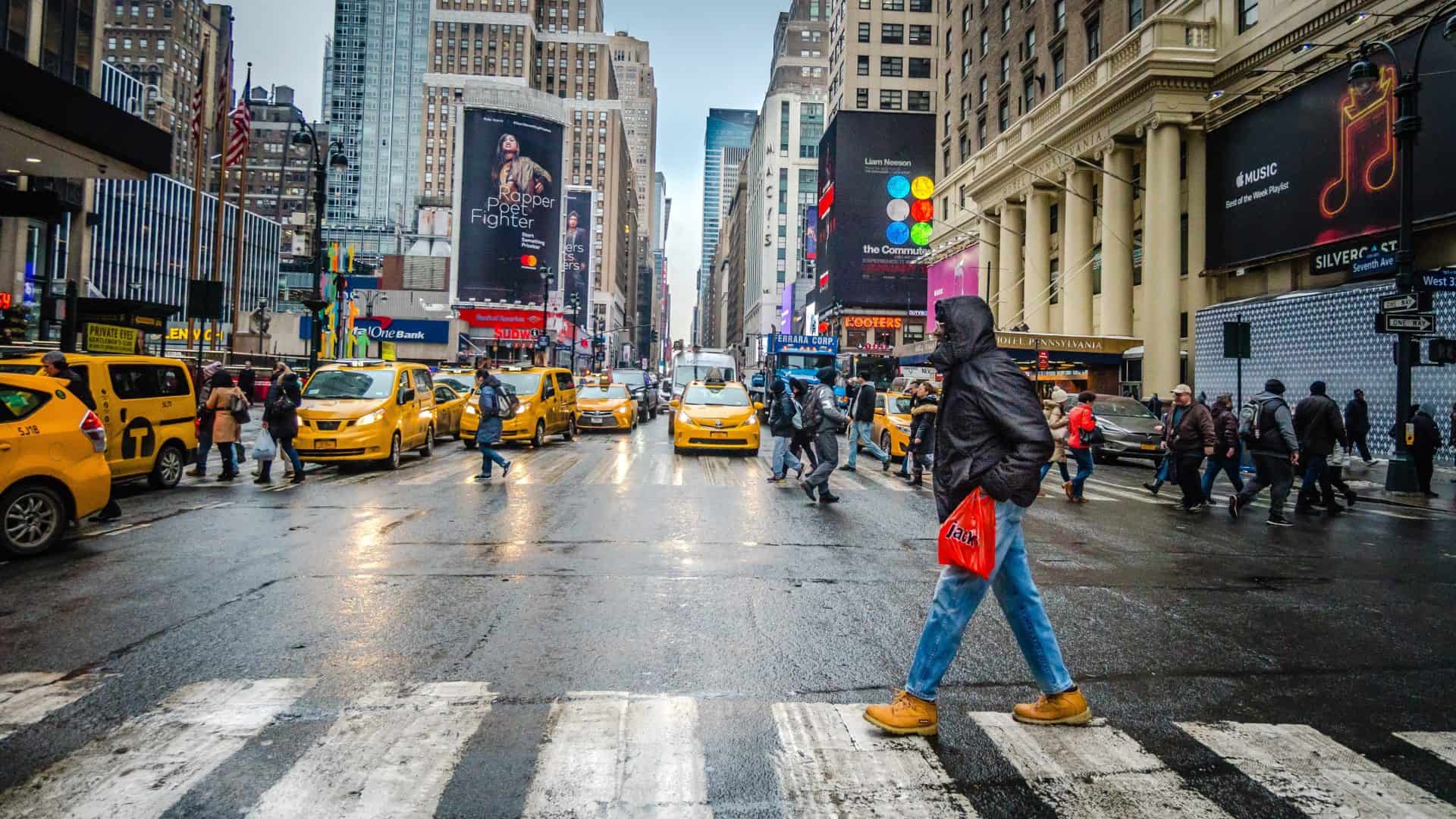
The big decision here is simple: stay near the stadium in New Jersey, or stay in Manhattan and train out. If the trip is purely about the game, the Meadowlands-area hotels are cheaper, closer, and let you walk or shuttle in. If you want the full New York experience — restaurants, shows, the city itself — stay in Manhattan near Penn Station and take the train; it’s 30–40 minutes door-to-door and you get the best of both worlds. For high-demand events, and especially the World Cup, book months ahead — rooms in both markets sell out and prices spike hard.
Best Hotels Actually Near MetLife Stadium
These are your closest options if you want maximum convenience and don’t care about being in Manhattan. Most are within 1-2 miles of the stadium, and several offer shuttles or are walkable to American Dream mall and the Meadowlands complex.
The Park Hotel at Meadowlands (East Rutherford): This is literally 0.6 miles from MetLife Stadium—you can walk to the game in under 15 minutes. It’s not luxury, but it’s convenient, offers free parking, and you’re right in the thick of the action. Best for fans who prioritize proximity over amenities and want to roll out of bed and walk to the stadium.
Hampton Inn Carlstadt-At The Meadowlands: Also 0.6 miles from MetLife, this consistently gets high marks for cleanliness, free breakfast, and location. It’s walking distance to American Dream mall, the Meadowlands Racetrack, and the stadium itself. Free on-site parking is a huge plus, and the breakfast buffet means you’re not scrambling for food before the game. Solid mid-tier choice for families or groups.
Homewood Suites by Hilton East Rutherford-Meadowlands: About 0.8 miles from the stadium with suite-style rooms that include kitchenettes, separate living areas, and free breakfast. Great if you’re staying multiple nights or have kids and need more space than a standard hotel room. Free parking, and the location puts you within easy reach of the stadium and American Dream.
Courtyard by Marriott Secaucus Meadowlands: Located in Secaucus, about 4-5 miles from MetLife but right near Secaucus Junction train station, which gives you direct access to the Meadowlands Rail Service on game days. This is the move if you want to stay in New Jersey but still have easy train access into Manhattan for exploring the city. Modern rooms, free Wi-Fi, on-site restaurant, and you’re a short train ride from both the stadium and NYC.
Hilton Garden Inn Secaucus/Meadowlands: Also in Secaucus, about 5-6 miles from MetLife but within four miles of the Lincoln Tunnel and a half-hour from NYC. Indoor pool, 24-hour fitness center, cooked-to-order breakfast, and easy access to the NJ Transit bus route that runs to Times Square and Manhattan. Good choice if you want a suburban hotel with city access and don’t mind a quick Uber or train to the game.
Best Hotels in NYC for MetLife Stadium Access
If you’re staying in Manhattan and taking the train to the game, you want to be near Penn Station (where NJ Transit departs) or in a neighborhood with easy subway access to Penn Station.
MADE Hotel (NoMad/Midtown): This boutique hotel is steps from Penn Station, which gives you direct NJ Transit access to Secaucus Junction and the Meadowlands Rail Service. Modern rooms, rooftop bar with skyline views, on-site dining, and you’re in the heart of Manhattan’s NoMad neighborhood with easy access to Madison Square Park, the Flatiron Building, and Midtown nightlife. Perfect for fans who want the full NYC experience with seamless stadium access on game day.
Hard Rock Hotel New York (Midtown Manhattan): Located in Midtown with easy access to Penn Station and mass transit options. Floor-to-ceiling windows, in-room Lavazza coffee, on-site dining, and nightlife that keeps the energy going long after the game. Concierge can arrange car services to the stadium if you don’t want to take the train. Great for groups or families who want a recognizable brand with city energy.
Hyatt Regency Jersey City (Waterfront): This sits right across from the World Trade Center in Jersey City with stunning views of the Manhattan skyline. It’s not right near the stadium, but it’s a relatively easy and cheaper Uber/Lyft ride to MetLife compared to leaving from Manhattan, and you get waterfront access plus PATH train connections into NYC. Best for people who want city proximity without Manhattan hotel prices.
Any hotel near Penn Station (Herald Square, Chelsea, Hell’s Kitchen): If you’re taking the train to MetLife, proximity to Penn Station is your priority. Hotels in Herald Square, Chelsea, or Hell’s Kitchen put you within walking distance of the NJ Transit departure point, and you’re centrally located for exploring the rest of the city. Chain options like Hampton Inn, Courtyard Marriott, or Holiday Inn Express are reliable and affordable.

Why You Should Go
MetLife won’t win any charm contests, and the locals will be the first to tell you it’s a big modern bowl in the middle of a swamp. But that’s selling it short. It’s one of the most accessible major stadiums in the country if you take the train, the sightlines are clean from nearly every seat, the food and pregame scene have leveled up dramatically, and the sheer scale of the place delivers on the big stage every single time — Super Bowls, the biggest tours in music, two NFL franchises, and most recently, the World Cup Final. Plan the logistics, take the rail, sit where the price-to-view math works, and MetLife gives you a genuinely great day.
Here are some other stadium guides for fans in NYC and Beyond:
Madison Square Garden and Barclays Center in Brooklyn and UBS Arena on Long Island
Written by Brad Richards. Founder of Gameday Guides. This guide includes insights from personal visits as well as updated info from team sources, fan forums, and stadium policies. We aim to help you plan with confidence — enjoy your gameday. If you have any tips, if we missed any thing or a question, don’t hesitate to shoot an email.