
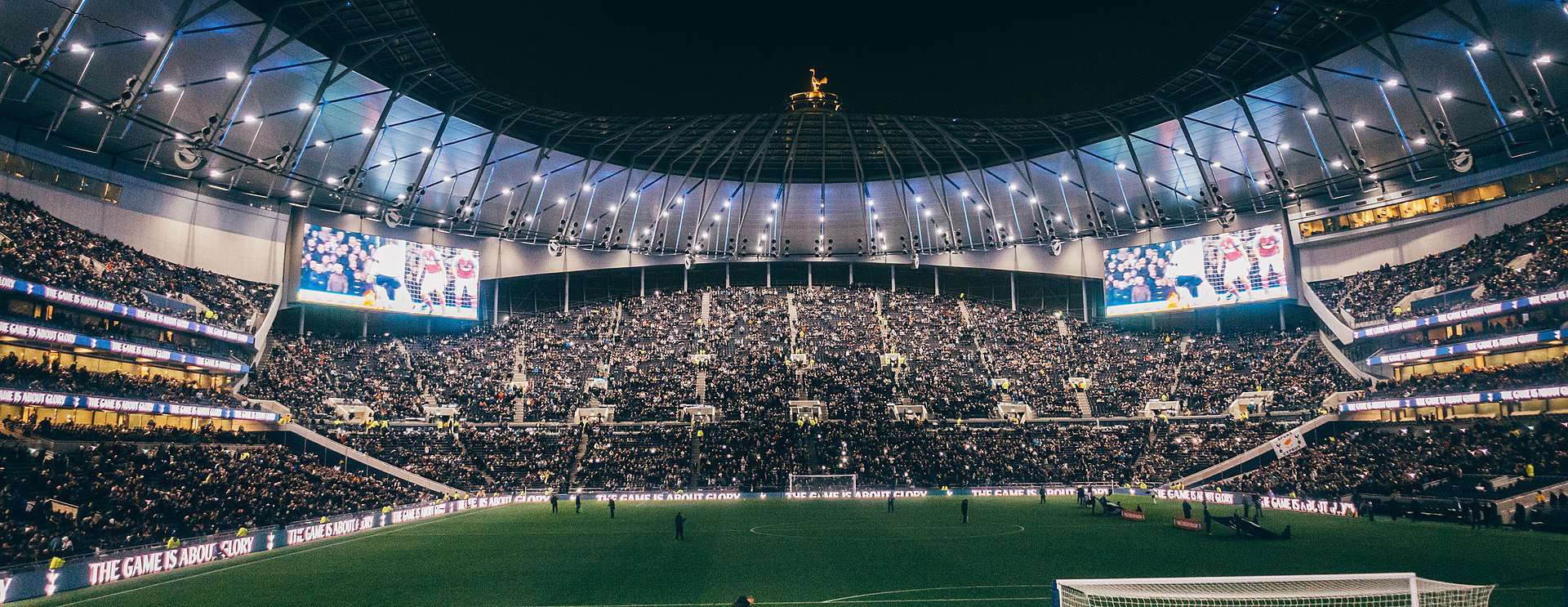
| Tottenham Hotspur Stadium Quick Guide | Details |
|---|---|
| Home Team | Tottenham Hotspur (Premier League); hosts NFL London games, major concerts, boxing |
| Opened | April 3, 2019; built 2016–2019 at a cost of ~£1 billion |
| Capacity | 62,850 (third-largest club stadium in England); South Stand single-tier holds ~17,500 |
| Best Value Seats | Upper-level corners or lower-tier behind goal—affordable, steep rake, close sightlines |
| Premium Seating | ~8,000 premium seats, 70 suites/loges, Sky Lounges, Tunnel Club, East Sideline Suites; premium packages include fine-dining and lounge access |
| Top Food & Drink | 60+ outlets offering fan staples and street-style food; features Europe’s longest bar (“The Goal Line”), microbrewery onsite |
| Nearby Bars & Eats | Tottenham High Road, Seven Sisters and Tottenham Hale areas; pubs and eateries within short walk |
| Transit Access | Served by White Hart Lane (Overground), Seven Sisters & Tottenham Hale (Tube/rail); matchday shuttle buses and coach parking |
| Unique Features | Retractable, split football/NFL pitch; roof acoustics amplify atmosphere; first UK stadium with safe-standing; microbrewery & cashless entry |
🔍 Need a custom plan for your Spurs gameday, NFL visit, or concert night?
Use our Gameday Guides AI to get personalized tips on seating, food, and lodging near Tottenham Hotspur Stadium.
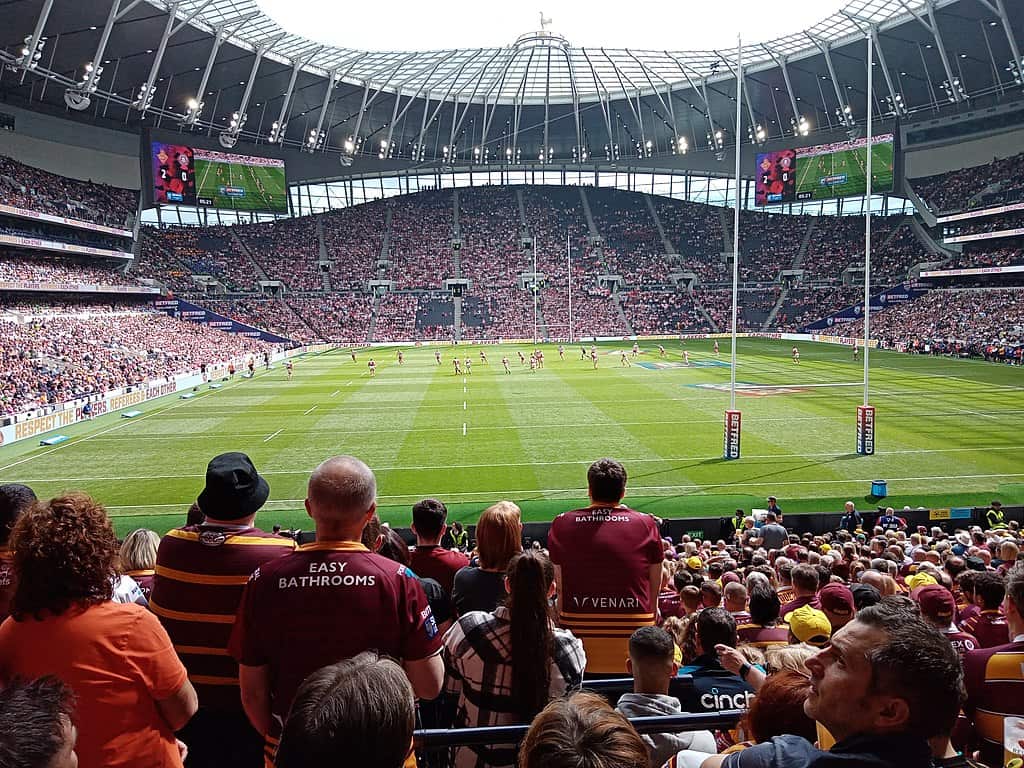
Best Seats At Tottenham Hotspur Stadium
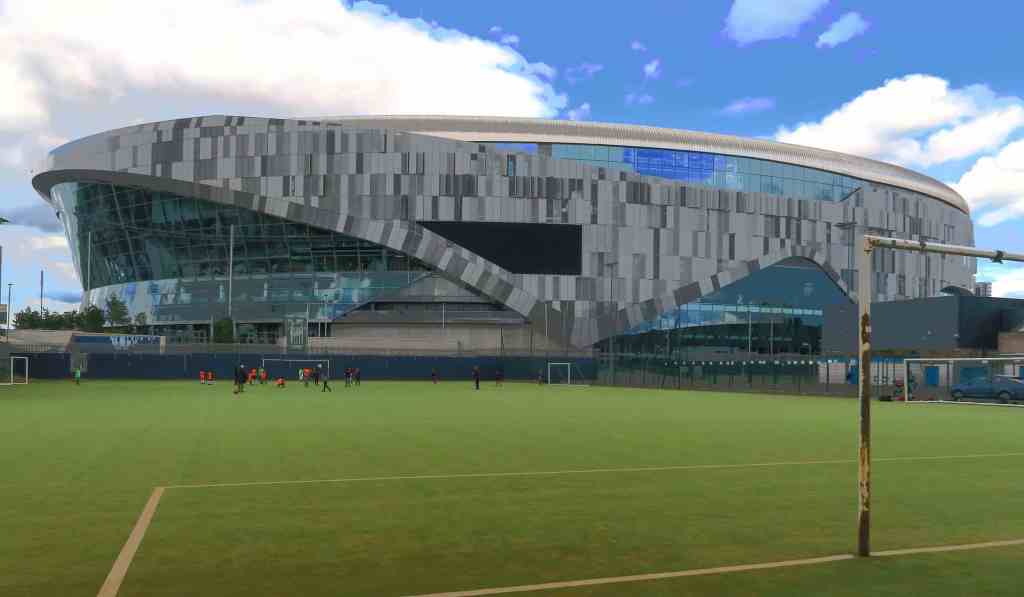
This is a properly modern football stadium—one of the best in Europe, actually—but don’t come expecting a quiet afternoon. The South Stand is designed to be a wall of noise, the atmosphere can be electric on big matchdays, and 62,850 people create a real presence. The sightlines are genuinely exceptional thanks to steep stand angles, the food is legitimately good (not the usual stadium fare), and the stadium feels intimate even though it’s massive. Fair warning: you’ll need public transport—there’s no parking for regular fans, and that’s intentional.
Seating Guide
Tottenham Hotspur Stadium holds 62,850 fans across four stands arranged in a bowl shape. The stadium was designed with steep angles (35 degrees, the steepest allowed in UK guidelines) to bring fans as close to the pitch as possible—distances from the front row range from just 4.9 to 7.9 metres. This means sightlines are excellent everywhere, even in the upper tiers. The entire stadium is seated, and the layout prioritizes atmosphere and intimacy over size.
Think of this place as intimacy at scale. You’re never far from the action, regardless of where you sit. The real decision is whether you want the intensity of the South Stand or the all-around balance of the side stands.
The Sweet Spots: Best Non-Premium Seats
South Stand (Blocks 401-439): The heartbeat of the stadium. This is a 17,500-seat single-tier stand—the largest in the UK—inspired by Borussia Dortmund’s Yellow Wall. It’s designed specifically to amplify noise and create a wall of sound. If you want pure atmosphere and don’t mind standing throughout, this is where fans with genuine passion sit. The view of the pitch is direct but at a steep angle since you’re behind the goal. Rows 1-10 are closest and most intense; rows in the mid-range (15-25) still have excellent views without being in the absolute thick of it. On big derbies against Arsenal or West Ham, this stand genuinely creates something special. The downside: it gets warm, especially in summer, and you’re expected to stay standing during play. Not a relaxing experience, but unforgettable.
East Stand, Lower Tiers (Blocks 201-215): These are the longside seats with the best all-around perspective of the match. You see everything—the whole width of the pitch, play developing in real time, both goal areas clearly. Rows 1-15 in these blocks are genuinely excellent seats. The view is perpendicular to the pitch, which is the classic vantage point, and you’re close enough to see detail without being overwhelmed by any one area. Families and fans who want a proper match view (rather than atmosphere spectacle) tend to prefer here. Price is reasonable for the quality of seat. Row depth varies by block, but aim for rows 8-15 for a sweet spot that balances closeness with sightline comfort.
West Stand, Lower Tiers (Blocks 101-123): The other longside option, opposite the East Stand. Similar sightline quality to the East Stand—you see the full width of the pitch and all the action. Blocks near 102-110 give you good proximity to play without the intensity of the South Stand. These seats tend to be slightly cheaper than East Stand equivalents because many fans prefer the East side, but the actual experience is comparable. Rows 8-20 are the real value here—close enough to feel involved, far enough back that you’re not craning your neck. Great for groups because there’s a balance of atmosphere and comfort.
North Stand (Blocks 301-339): This is a three-tiered stand directly opposite the South Stand. Structurally, it’s split into blocks by tier level, so you get different experiences depending which tier you book. Lower North (Blocks 114-118 area) has decent views and is less intense than the South. Upper North (Blocks 321 and beyond) is farther away but still offers clear sightlines thanks to the steep angles. The North Stand is often where away fans sit, so if you’re buying here as a home fan, you’ll be in a mixed or quieter section. Best value for fans who want a good view without the sensory overload. Avoid the very back rows if you want to feel engaged—aim for rows in the middle third of the stand.
Best Budget Option – Upper Corners (Blocks 313-320, 413-420): Upper-level corner seats are where you find genuine value. You’re high up but the steep angles mean you still see the action clearly—no obstructed views. The downside is obvious: you’re far from the pitch and the atmosphere is quieter up here. But if you’re paying close attention to the match and don’t need to be in the chaos, these seats are often £15-25 cheaper than comparable lower-level seats, and the view is still legitimate. These work well for repeat visitors or fans who know what they’re getting into. Aim for rows 5-15 in the upper sections for the best sightline-to-price ratio.
Weather & Shade Reality
London weather is unpredictable, but this stadium’s orientation and design mean shade matters less than you’d think. The bowl design creates natural wind tunnels, so it can feel cooler than expected even on warm days. If you’re sitting in the lower East or West Stand in direct sun on a summer afternoon (2-5 PM kickoff), you’ll feel it. The South Stand’s height (34+ metres) creates its own shade patterns depending on the sun angle, but generally, you’re either in full sun or full shade—no in-between. Upper tiers tend to be cooler because of airflow, and the retractable roof (which exists but is rarely deployed) means the stadium is open-air.
Practical reality: there’s no shade relief in most sections, so bring a hat, sunscreen, and water if it’s a summer match. The North Stand can get surprisingly windy on winter afternoons. Evening kickoffs (7:45 PM+) mean you’ll catch the tail end of daylight, so dress in layers. The stadium’s design prioritizes acoustics over weather protection, which is intentional—they wanted the place to feel alive, not enclosed.
What to Avoid
Upper North Stand, Rows 20+ (Blocks 321-339): You’re genuinely far from the pitch here. The sightlines are clear (the stadium’s angle compensates), but you lose the intimacy and detail that makes the stadium special. The atmosphere also quiets down significantly up here because you’re separated from the crowd energy below. If you’re paying to watch the match, this is the worst value—you might as well watch it at home. These seats exist for casual visitors or fans who couldn’t get better tickets. Real Spurs fans avoid them.
Certain Blocks in the Lower East/West (Blocks 210-214 specific rows, 110-114 specific rows): Some blocks have obstructed or partially obstructed views due to structural pillars—not many, but they exist. Always check a seat map before buying. The stadium’s designers minimized this, but it hasn’t been completely eliminated. Avoid any block advertising “obstructed view” pricing without checking the specific seat.
Corner Seats in Lower Tiers (Blocks 217-220, 117-120): You’re looking at a very acute angle to the pitch. The goal you’re behind is directly in front of you, but the rest of the field is severely foreshortened. These are cheap for a reason. The atmosphere is decent, but the actual match experience is compromised. Skip them unless it’s your only option and you genuinely don’t care about sightline quality.
Premium Clubs At Tottenham Hotspur Stadium
Tottenham Hotspur Stadium offers a tiered hospitality structure that genuinely distinguishes itself from other Premier League grounds. The key difference here is flexibility—there’s something for every budget level and occasion type, from informal lounges to formal fine-dining suites. The stadium’s premium offering isn’t one-size-fits-all corporate blandness; it’s actually thoughtfully designed with different atmospheres for different people.
Opening context: The East and West Stands house most premium seating across four levels. The distinction between tiers is significant—it’s not just a seat upgrade, it’s a fundamentally different experience at each level. Level 2 is hospitality, Level 3 is more hospitality with better amenities, Level 4 offers suites and exclusive lounges, and Level 5 is the absolute top tier with panoramic views and the most exclusive experiences.
The Best: Top-Tier Premium Seating (That’s Not a Suite)
Stratus Lounge (West or East Level 5, Blocks 801, 901) The highest vantage point in the entire stadium, perched at the very top with panoramic views across North London and clear sightlines down to the pitch. Capacity is limited—this is genuinely exclusive.
Price range: £250-450 per person for a standard matchday, rising to £350-500+ for big fixtures (Arsenal, Manchester City). Season pricing available for committed fans.
What’s included: Luxury padded, heated seats on the halfway line with unobstructed views. Access to the Stratus Lounge for 3 hours pre-match and 2 hours post-match (1 hour for evening games). Complimentary deconstructed three-course bowl food throughout your stay. Inclusive selected beers, wines, spirits, and soft drinks all day. Live DJ entertainment and resident music. Complimentary digital matchday programme. Fast-track entrance to skip queues entirely.
The lounge itself: Genuinely impressive. It’s a sleek, high-end space with floor-to-ceiling windows overlooking the pitch and the London skyline. The food isn’t stadium fare—it’s actual kitchen work, elevated presentation, real service. The atmosphere is upmarket but not stuffy. You’re around serious money here, but people are genuinely there for the match, not just to be seen. It doesn’t feel isolated like some corporate lounges; the views keep you connected to the stadium energy below. Small groups mix naturally, and there’s a sophisticated but relaxed vibe. Post-match, it empties quickly because most people linger to watch the crowds clear, giving you a peaceful wind-down space.
Who this is for: Corporate entertaining at the highest level. Major business celebrations or milestone moments (50th birthdays, significant anniversaries). One-time splurge for a Champions League or derby match. Absolutely not for families on a budget or fans who live for the 90-minute intensity of the crowd.
Reality check: You’re paying 4-5x the price of a regular seat for premium views, premium food, and premium peace and quiet. You genuinely lose the stadium energy and atmosphere—you’re watching from a distance, literally and socially. Half the experience is the lounge, not the match. Worth it if you’re entertaining clients, celebrating something important, or have money to burn on a truly special experience. Not worth it if you care primarily about the match itself or want to feel the pulse of the crowd. The sightline is excellent (arguably the best in the house), but you’re separated from what makes this stadium special—the intimacy and intensity.
Mid-Tier Club Seating Option
Travel Club (East Stand, Blocks 237-243, 239, 315) Located in the East Stand with a range of seat locations: corner blocks (237, 313), longside blocks (239, 315), or halfway line blocks (002). This is an informal premium experience designed for fans who want something nicer without the corporate formality of Stratus.
Price range: £120-220 per person for standard fixtures, £150-280 for big matches. Significantly more accessible than Stratus while still feeling premium.
What’s included: Premium padded seats in good locations (exact view depends on which block, but all are solid sightlines). Access to the Travel Club Lounge for 3 hours pre-match and 2 hours post-match. Complimentary grazing menu (bowl food, charcuterie, fresh items—designed to feel casual and browsable rather than sit-down). Complimentary house drinks (beer, wine, soft drinks). Relaxed dress code (smart casual, but genuinely relaxed). Fast-track entrance. Complimentary digital programme.
The lounge: Busy in the best way. It’s a proper lounge, not pretentious, with high capacity so it doesn’t feel exclusive—it feels like a nice hangout spot. Other fans here actually care about the match (you’ll overhear proper match discussion). The food is good quality but casual—grazing, not fine dining. There’s a social energy that the Stratus Lounge lacks. Post-match, it gets crowded as people linger, but there’s a friendly crowd vibe rather than the quiet sophistication upstairs. The space feels connected to the stadium—you’re not isolated from the match atmosphere; you’re just removed from the intensity.
Who this is for: Fans who want a nice upgrade for a bigger match without the full splurge. Corporate groups on a mid-range budget. Families treating themselves for an important fixture. Regular attendees looking to upgrade certain matches without committing to premium season packages. People who want to feel a bit special but still part of the fan community.
Why this might be better: You’re getting 70% of the premium experience at 50% of the Stratus price. The atmosphere is actually better for football fans—you’re around people who care about the game, not people using it as a business backdrop. You don’t feel isolated or removed from the stadium energy. The food is good, the service is attentive, and you’re genuinely comfortable without paying for exclusivity you might not use.
Value Premium Seating
East Premium Seats (East Stand, Level 2, Various Blocks) Technically hospitality but positioned differently—these are padded seats in decent locations with access to East Premium Bar areas, positioned as entry-level premium rather than full lounge hospitality.
Price range: £80-150 per person depending on fixture and exact location. Often available even when higher-tier packages sell out.
What’s included: Padded premium seats in the East Stand (quality seat quality, not standard seating). Access to East Premium Bar areas for 2-3 hours pre- and post-match. Light food offerings pre-match (typically sandwiches, snacks, nothing fancy). Complimentary half-time drink of beer, wine, or soft drink. No full lounge, but you do have access to a dedicated bar area away from the concourse chaos. Dedicated entrance. Complimentary matchday programme.
The vibe: Not fancy, genuinely practical. You’re getting better seats and a quieter place to grab a drink without paying Stratus prices. The bar area is functional, not atmospheric, but that’s fine—it’s a place to escape the crowds and get a proper drink rather than queue at concourse bars. You feel like you’ve got a little bit of insider access without pretense. Post-match, it empties quickly. No social scene, no sense of occasion, but excellent value for the seat quality and the ability to avoid concourse crowds.
Who this is for: Fans who want slightly nicer seats without the full hospitality experience. Regular attendees who might upgrade 3-4 matches a season. Anyone who values seat quality and avoiding queues over atmosphere or fine dining. Best value in the building if you just want a comfortable seat and a stress-free experience.
The deal: You’re paying £30-50 more per seat than general admission but getting noticeably better seats (padded vs. standard) and access to a quieter bar. If you plan to grab a drink at halftime (which you would anyway), this pays for itself by avoiding concourse queues. The math works especially well if you’re attending 4+ matches a season—the upgrade becomes normal rather than exceptional.
Suites & Group Options
Tottenham offers 70 private boxes across the stadium, ranging from small 6-seater spaces to the flagship Super Suite (21 seats). Suites run £2,500-8,000+ per match depending on size and location, and most are positioned at West Level Four with direct pitch views and private facilities. They include private catering, dedicated bathrooms, TVs, and a private host. The real market is corporate entertaining and large celebration groups. You can book through official resellers (Eventmasters, Sportlux, Club Sports and Events) or directly through the club—resellers sometimes offer unpublished deals, so worth comparing. The hospitality team is genuinely helpful if you call to discuss group options and can often tailor packages for specific needs.
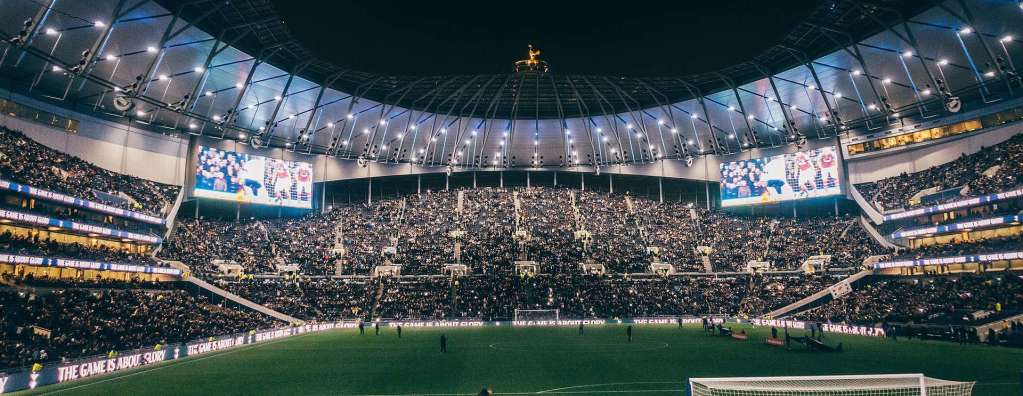
Tottenham Hotspur Stadium Seating Plan
Once you’ve secured your seats, you’ll need to know where you’re actually sitting. Use the official interactive seating map on the Tottenham Hotspur Stadium website to visualize your seats before finalizing purchase. This is essential for understanding sightlines and atmosphere—don’t buy blind.
Tickets to Tottenham Matches
This is the foundation of ticket access. Membership costs £45-55 annually (sometimes reduced sales bring it lower—currently 50% off promotional codes exist). You get one ticket per membership per fixture during priority access windows. That means if you want two tickets, you need two memberships.
What you’re actually paying for: early access to sales before they sell out, access to the Ticket Exchange (the resale platform), and occasional discounts on other stuff. Without membership, your only path is hoping for General Sale or paying resale prices, both of which are hit-or-miss.
How the sales schedule works: The club releases tickets in seven windows throughout the season (typically 7-8 weeks before each fixture). One Hotspur+ Members get first access, then One Hotspur Members, then (sometimes) Guest and General Sales. If a game is a big fixture (Derby, Manchester City, European night), it might sell out during the Members window. If it’s a mid-table Tuesday night fixture, it might reach General Sale. There’s no way to predict. Check the club’s ticketing page for specific sale dates—they’re published well in advance.
The Ticket Exchange (official resale): When fixtures sell out through the club, the Ticket Exchange opens. Season Ticket Holders and Premium Members can list their tickets here at face value. This is your best bet for getting a ticket after the Member sale closes. Prices stay the same (not inflated), but availability is limited. Check back regularly—cancelled trips and last-minute listings happen constantly.
Official resale platforms (third-party sellers): SeatPick, SportsBreaks, Ticketgum, and Fanpass aggregate tickets from multiple sellers. These platforms let you buy without a membership, with prices sometimes starting as low as $79 depending on fixture and location. The catch: resale prices are determined by demand, so big matches will cost significantly more than face value. Mid-week fixtures are often cheaper. The trade-off is worth it if you’re not a member, but expect to pay above face value.
For overseas fans: The club doesn’t prioritize international ticket sales, so you’re competing in the same system as everyone else. One Hotspur Membership still gives you the best shot, even if you can’t attend every match. Otherwise, resale platforms are your clearest path.
Events at Tottenham Hotspur Stadium
The stadium isn’t just football. Since opening in 2019, it’s been positioned as a year-round entertainment venue.
NFL: The stadium is the official UK home of the NFL. Two regular-season games are hosted annually through the 2029-30 season. If you’re curious about American football but have never seen a live game, the stadium experience is genuinely incredible—the energy, the production, the sheer scale. Tickets are usually easier to get than Spurs matches because demand is lower (for now).
Euro 2028: Tottenham Hotspur Stadium is one of ten host venues for UEFA EURO 2028, alongside Wembley Stadium. This is genuinely significant—international tournament football, multiple matches, world-class atmosphere. Tickets will be competitive when they go on sale (likely 2027), but it’s worth planning for if you want to see tournament-level football.
Concerts and events: The retractable pitch means the stadium can host major music acts and other events. Check the stadium’s events page for upcoming shows. Bad Bunny, BTS, System of a Down, and other major artists have performed here recently. Atmosphere is different from football—you’re more spread out, less intense—but the scale and production are exceptional.
Dare Skywalk: A unique experience where you can walk on the roof of the stadium and view the pitch and London skyline from above. It’s a tourist thing, but it’s worth doing if you’re in London and want to see the stadium without attending a match.
Here is a full list of Upcoming Events at the Stadium.
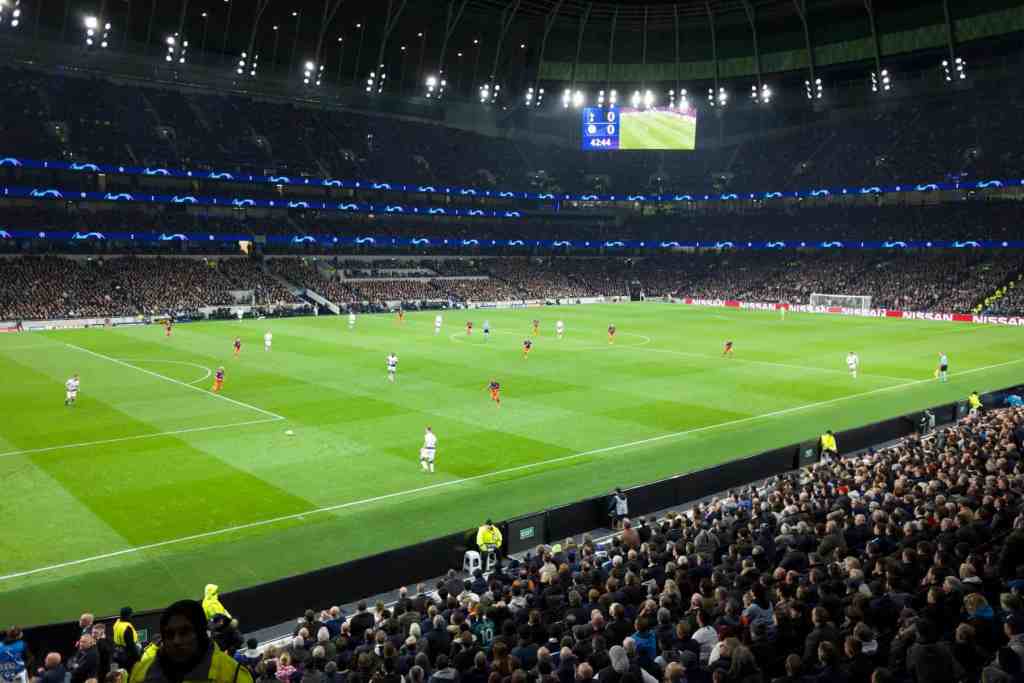
Tottenham Hotspur Bag Policy
Here is the policy everyone wants to know. What is allowed in the stadium for matches and what is not. Here is a list:
What’s Allowed:
- Personal bags of A4 size or smaller (21cm long x 30cm high)
- Clear carrier bags – maximum size of 30cm long x 30cm high
- Club-branded Spurs PVC Drawstring Bag, which can be purchased through the Online Spurs Shop, or a reusable drawstring bag for life for £1 from the Tottenham Experience
- Laptop sleeves which are no larger than 37cm x 31 cm
- Umbrellas are permitted up to 1m in size, but must always be kept folded inside the Stadium
What’s Not Allowed:
- Bags greater than A4 in size (this includes backpacks and large totes)
- You must NOT put any personal bags that do not meet the criteria within clear bags
Medical Exemptions: If you have a medical condition that requires you to bring a bag or other equipment that does not fit within a personal bag of A4 size or smaller, submit a medical exception certificate request at least 72 hours before the game. Upon receipt and acceptance, the stadium will issue you a medical exemption certificate to print and present on entry
Bottom Line: No backpacks, no large bags. Arrive with a small shoulder bag or crossbody bag if you must bring anything, or leave your bag at home. The stadium does not operate a left luggage service.
Other Key Policies
Cash or card?: The stadium is entirely cashless. Card or mobile payment only. No exceptions. Have your payment method ready to speed up transactions.
No Re-Entry: Once a fan has entered through the turnstiles, they will not be allowed to re-enter the stadium if they leave the premises.
Smoking and Vaping: This is a No across the board. Smoking at the Stadium is strictly forbidden and will result in ejection from the Stadium. Use of e-cigarettes is also forbidden within the Stadium.
For the most updated policies here is the Tottenham Hotspur Stadium Policies page.
Getting To Tottenham Hotspur Stadium
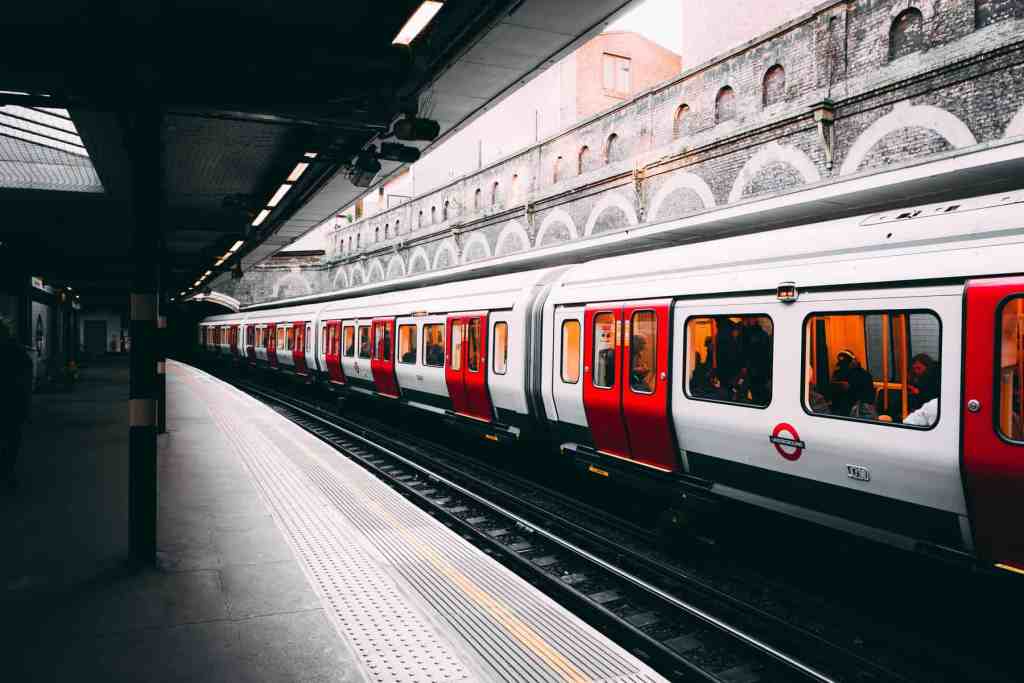
General guidance: Public transport is genuinely better than driving. The stadium is designed with public transit in mind. There’s no general parking for fans, and road closures mean you’ll be dropped off 15 minutes walk away anyway. Save yourself the frustration.
Public Transit (Tube/Underground & Overland)
White Hart Lane Station (Overground) – Approx. 5-minute walk, closest option. This station gets absolutely packed after matches (30-45 minute queues post-game), but it’s the closest. If you’re arriving early, it’s the smoothest entry. Post-match, you might wait, so consider staying in the stadium for a drink for 20-30 minutes to let the queues clear. This is the most convenient station overall but most crowded. Journey times from Central London vary (15-30 minutes depending on where you start).
Northumberland Park Station (Greater Anglia, Overground) – Approx. 10-minute walk. Less famous than White Hart Lane, so it’s often less crowded post-match. If you’re coming from the east or northeast, this might be faster. Wayfinding is good (signage throughout), so you won’t get lost.
Tottenham Hale Station (Victoria Line + Greater Anglia) – Approx. 25-minute walk. Further away but sometimes less crowded. The Victoria Line is often the preferred route from the West End or South London. On very busy matchdays, Victoria line trains might skip Tottenham Hale to avoid overcrowding, in which case you’d exit at Seven Sisters instead (longer walk).
Seven Sisters Station (Victoria Line + Overground) – Approx. 30-minute walk. The furthest option, but it spreads fan traffic if you’re concerned about overcrowding. Not recommended unless the others are completely overwhelmed (rare).
Cost: London Travelcard standard rates apply. A day travel card is around £9-15 depending on zones. Off-peak is cheaper if you’re traveling outside 6:30-9:30 AM and 5:00-7:00 PM.
Pro tip: Travel as early as possible before kickoff. The last 30 minutes before kickoff creates genuine congestion at all stations. If you arrive 75+ minutes early, you’ll avoid the rush entirely and actually enjoy the journey.
Shuttle Buses
Alexandra Palace and Wood Green stations have dedicated shuttle bus services on matchdays, especially for big fixtures. These are high-capacity, reliable, and take you directly to the stadium. Cost is included in some season ticket packages or available separately (around £3-5). They’re timed to coincide with major services, so check matchday transport updates before arriving. These are excellent for fans coming from North London or those avoiding Central Line overcrowding.
Taxis & Rideshare (Uber, Lyft)
Uber/Lyft pickup: Located on the east side of the stadium (Worcester Avenue). Journey cost estimate: £12-25 depending on your starting location and demand. On matchdays, surge pricing happens, especially 1-2 hours before kickoff and immediately post-match. Avoid surge by scheduling your pickup in advance (Uber’s scheduled pickup feature) or waiting 30-45 minutes after the final whistle for prices to normalize. Post-match Ubers can be 2-3x normal price—seriously, just take the train if you’re not in a massive rush.
Drop-off constraints: Due to road closures, taxis cannot drop you within 0.5 miles of the stadium. You’ll be dropped off 10-15 minutes walk away, which defeats the purpose of using a taxi. Public transit is faster and cheaper. Only use taxis if you have mobility issues or are traveling as a large group where the cost splits reasonably.
Cycling
If you’re within 20 minutes walking distance or want to bike, do it. The stadium is designed with cycling in mind. There’s ample bike parking (220+ spaces across multiple locations: the stadium, Tottenham Community Sports Centre, St. Francis de Sales School). Cycle Superhighway 1 starts opposite the stadium and runs to Liverpool Street, making it part of a larger bike network. Cost: free for parking. Safe, fast, and zero stress regarding traffic. London cycling culture is good here—you’ll see plenty of other cyclists on matchdays.
Coach Services (Away Fans)
Big Green Coach (official partner) operates regional coach services from supporter heartlands. Return tickets start from £17, with season passes available. Coaches arrive 2-3 hours before kickoff and depart 45 minutes after the final whistle (or when full). Drop-off is at designated coach parks 10 minutes walk from the stadium. These are reliable and cheap if you’re coming from outside London
Parking Near Tottenham Hotspur Stadium
If you prefer to drive (not recommended) here are some place to park near the stadium:
- Garman Road Car Park: Situated on Garman Road, this car park gets good ratings
- Stoneleigh Road Car Park C: Located on Stoneleigh Road
- Tottenham Hotspur Official Stadium Car Park: As the official car park for Tottenham Hotspur Stadium, it provides pre-bookable parking in various zones: Yellow Zone (under the North and West Stand), White Zone (under the East Stand), and Grey Zone (under the South Stand). It’s important to arrive at least 2 hours before kickoff, and after the match, there may be up to a 1-hour wait to exit due to matchday road closures.
- Footy Parking: This website offers a range of parking options near the stadium. For details on available parking choices and pricing, please refer to their website.
Tottenham Hotspur Stadium Top Tips
This stadium is genuinely designed well—good sightlines, excellent food, smart layout. But there are ways to optimize your experience.
Access & Gate Strategy
Enter through Gate A or B on the West Stand side if you’re in a West-side section—it’s less crowded than the main South entrance, especially in the final 30 minutes before kickoff. The South Square (where most fans gather) funnels thousands through a few entry points, creating bottlenecks. East Stand fans should use the East entrance (Gate D/E area, Worcester Avenue side)—it’s designed specifically for that side and far less congested.
Gates open 90 minutes before kickoff. If you want to catch pre-match action, arrive 60-75 minutes early and you’ll avoid the absolute crush while still catching any pre-match entertainment or batting practice-equivalent (in-match entertainment or pitch access moments). The last 30 minutes before kickoff is peak chaos—avoid entering then if you can.
If you’re attending an early afternoon match, you can actually enter even earlier than 90 minutes on some event days—check the specific matchday guide. This gives you time to explore the Tottenham Experience (megastore, museum exhibits) without time pressure.
Big match reality: For Arsenal derbies, Manchester City, or European nights, arrive 2+ hours early. Gates will be busier, security checks slower, and concourse spaces more crowded. No way around it—plan for it.
Food & Drink Strategy
This is genuinely one of the best food stadiums in England. Over 60 outlets with real diversity—don’t settle for the standard stuff.
Skip the generic burger stands. Head straight to The Market Place in the South Stand (accessible via Blocks 101 and 124) if you want excellent food without stress. Here you’ll find: Seoul Bird (Korean fried chicken—genuinely outstanding, worth the 10-15 minute queue), N17 Grill (gourmet burgers, quality meat), Linesman (proper fish and chips, not stadium fare), Smashed Olive (legitimately good pizza), Naan & Noodle (Asian street food). Prices are £10-16 per item, which is reasonable for the quality.
The Goal Line Bar (65 metres, Europe’s longest) is in the South Stand at The Market Place. It’s iconic, but it’s also chaotic at halftime. You can pre-order your drink through the Tottenham app and collect at halftime to skip the queue entirely—this is a genuine time-saver. The Beavertown Brewery (microbrewery on-site) has craft beer that’s actually good, not gimmicky. Try it if you like quality beer.
Avoid queuing for food at halftime—get food during the first 20 minutes of the match when lines are minimal. Or grab something pre-match in The Market Place, which stays open throughout. It’s busy before the match but manageable.
Cash or card: The stadium is entirely cashless. Card or mobile payment only. No exceptions. Have your payment method ready to speed up transactions.
Outside food policy: You can bring your own snacks and a sealed water bottle (no alcohol, no glass containers). This is useful if you want to save money or have dietary requirements—bring what you need.
Arrival & Gate Timing
Turnstiles open 90 minutes before kickoff. Security screening is thorough (bag searches), so factor in 10-15 minutes for entry depending on which gate you use and how busy it is.
For big matches (derbies, top-six sides, European nights), arrive 2 hours early minimum. For standard Premier League midweek fixtures, 75 minutes is fine.
If you’re driving (despite the no-parking policy), understand that taxis/Ubers cannot drop you close to the stadium due to road closures. You’ll be dropped off 15 minutes walk away, which is annoying. Public transport is genuinely faster and less stressful.
Parking for disabled supporters with Blue Badge: Pre-book through the club’s system. Spaces exist (74 in the stadium basement), but availability is limited and first-come-first-served even with pre-booking. Arrive at least 90 minutes before kickoff if using accessible parking. You’ll need to wait up to 1 hour after the final whistle to exit due to road closures—plan accordingly.
Giveaway items (scarves, flags, etc.) typically run out by the 15-20 minute mark on promotional matchdays. If you want one, aim to arrive early or ask at the gate—sometimes they hold allocations for latecomers, sometimes not.
Stadium Traditions & Culture
The South Stand is the emotional heart of the stadium. It’s designed as a “wall of sound,” and it genuinely creates something special on big matches. There isn’t one specific chant that defines the place the way some stadiums have, but the South Stand creates a vibe through sheer volume and passion. First-time fans should experience it at least once, even if you prefer the quieter sightlines elsewhere.
The stadium’s culture is modern without being sterile. Fans care deeply about the match—you’re not surrounded by corporate suits checking their phones. The atmosphere on European nights (Champions League) is genuinely electric. The Derby against Arsenal brings genuine intensity, not just banter.
One tradition worth knowing: the mascot appearances and pre-match entertainment. Spurs do a proper production number—real entertainment, not filler. Arrive early enough to see it if you care about that stuff. Kids genuinely enjoy it.
The “golden cockerel” atop the South Stand is iconic to Spurs fans—it’s a photo moment, but more than that, it’s symbolic of the club’s history and identity. Take the moment to appreciate it if you haven’t seen it before.
Instagrammable Spots & Photo Ops
The South Stand exterior: The massive single-tier structure with the golden cockerel on top is the most photographed angle. Shoot from the south podium or the public square before entering—the light is best 90 minutes before kickoff, especially for evening matches.
The interior scoreboard and pitch view: From the concourse at ground level, looking down the sideline or toward the goals, the pitch view is genuinely photogenic. The steep angles and close proximity create a unique perspective. Shoot from the West Stand concourse for the best sightline angle.
The 65-metre Goal Line Bar: The length of it is genuinely impressive and photo-worthy. Interior shot during quieter times (early arrival) shows off the bar’s scale. It photographs much better when it’s not packed.
Outside the stadium: The Tottenham Experience building (megastore/museum) has modern architecture that photographs well. The public square on match days has good atmosphere shots—fans, energy, light. Worth capturing the environment.
Do not photograph: Away fans or opposition supporters in a way that might be confrontational (obvious, but worth saying). Respect the space.
Random Stadium Quirks & Rules
Some sections restrict standing during at-bats: Wait, wrong sport. At football, standing during play is expected in most sections. The South Stand is all standing (it’s a vocal section). Lower bowl areas alternate between seated and standing depending on the block. Check your ticket to see if your section has a standing rule.
No opposition kit (away team colors/shirts) allowed. Smart casual attire is expected in hospitality. Spurs fans are territorial about this—you won’t be violently confronted, but you might be asked to leave hospitality areas or cover up prominent away colors in premium sections. General admission is more relaxed, but don’t wear opposition kits if you want a hassle-free day.
The upper deck gets surprisingly cold even on warm days due to airflow and the roof overhang. Bring a jacket for upper-tier seats, especially for evening matches.
Retractable pitch: The stadium has a unique retractable grass pitch that slides under the South Stand in 25 minutes for NFL games. It’s a technical marvel, but you won’t see it in action unless you attend an NFL game. On normal matchdays, the pitch is fixed.
No glass containers, no outside alcohol. Even if you bring alcohol in a different container, it’s not allowed inside. This is enforced.
Non Matchday Events
The Dare Skywalk: Book the first climb slot of the day for the quietest experience and best photo opportunities without crowds. The early morning light also provides excellent conditions for capturing London skyline shots from 46.8 metres above the pitch. Wear comfortable, flat-soled shoes as you’ll climb 100 internal steps before reaching the outdoor walkway. Don’t rush past the golden cockerel at the summit—it’s the perfect photo spot and often gets crowded during busier time slots. If you have any concerns about heights, inform your climb guide during the safety briefing; they’re professionally trained to help everyone complete the experience, even those with mild vertigo.
Stadium Tour: Download the multimedia guide content before your visit if you want to spend more time in specific areas without feeling rushed. The self-guided format means you can linger in the changing rooms or tunnel, but most guests find 90 minutes passes quickly. Visit the NFL locker rooms early in your tour when they’re less crowded—these are unique to Tottenham’s stadium and often overlooked by football-focused visitors. Time your tour for late afternoon if you want to combine it with a visit to The M Café afterward, where you can grab food and drinks while reflecting on the experience. The tour route is entirely step-free and wheelchair accessible, so mobility shouldn’t impact your experience
Pubs Near Tottenham Hotspur Stadium
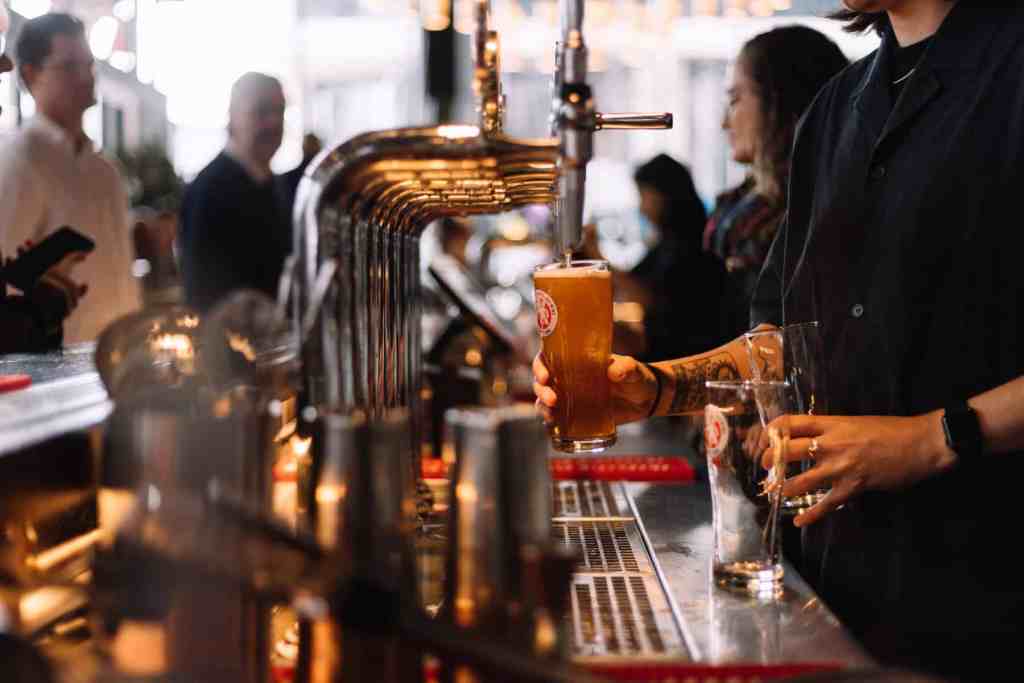
Food and drink around Tottenham Hotspur Stadium aren’t an afterthought—they’re genuinely part of the matchday experience. The area has improved massively over the past decade, and on game day, the atmosphere builds in the pubs around the stadium as much as it does inside. The real question is who you are: a Spurs supporter wanting to stake your claim at a proper fan pub, or a visitor wanting something welcoming that doesn’t feel tribal. We’ll give you both.
Pubs for Spurs Supporters
The Bricklayers Arms (803-805 High Road): About 100 yards from the stadium. This is the historic heart of Spurs fan culture. The walls are covered in decades of memorabilia, scarves from around the world, match programmes, and genuine football history. It’s packed on matchdays—genuinely packed—and the atmosphere is intense and vocal. The beer selection is straightforward (Samuel Smith’s), the food is basic pub fare, but nobody’s here for the décor or the menu. This is about ritual and belonging. It’s home-fans-only on big matchdays (policy enforced), so if you’re visiting and want the chaos, know that going in. If you’re a Spurs fan, this is unmissable. Get there early—by 90 minutes before kickoff it’s already heaving.
No.8 Tottenham (5-10 minute walk): Literally 20 yards from the stadium entrance. Three full bars, a beer garden with its own bar, full kitchen with decent food options, and screens throughout. The atmosphere is energetic without being as intimidatingly tribal as the Bricklayers. This is the pub where you’ll see actual match analysis happening alongside the celebration. The beer garden is particularly good—you can feel the stadium energy from here even before entering. It also has a hostel upstairs if you’re staying overnight. Good middle ground between tourist-friendly and properly local.
The Coach and Horses (862 High Road): The biggest covered beer garden near the stadium. This is known for singing and atmosphere—proper fan energy without the closed-off vibe of some other spots. Large screens showing the match, a drinks kiosk in the middle of the beer garden, and space to actually move around. If you want to feel the crowd energy before you enter the stadium, this is your spot. Gets rammed on big matchdays, so again, arrive early.
For Away Supporters & Visitors
The Antwerp Arms (168-170 Church Road): About 8 minutes walk from the stadium. This is genuinely special—built in 1822, Grade II-listed, and saved from closure in 2015 when the community (including Spurs supporters) collectively bought it and made it fan-owned. It’s the official away fans pub, and that ownership model means it has a different vibe. You’ll find both home and away supporters here, and the atmosphere is welcoming rather than confrontational. Real ales, traditional feel, actual community character. It’s a proper pub, not a corporate box. Go here if you want authentic London football culture without the territory aggression. The history of this place (being saved by fans) is worth knowing about.
The Elmhurst (10-15 minute walk): Recently reopened after a closure, this Edwardian pub was traditionally the designated away fans pub. It’s spacious, has large screens broadcasting matches, decent food, and a vibe that genuinely welcomes both sets of supporters. Less intense than the Bricklayers, more upmarket than some of the rougher spots. New management has done good work here. Good choice if you want a proper pre-match experience without the full-on supporter intensity.
The Beehive (Stoneleigh Road): About 18 minutes walk or a short bus ride. A Victorian corner pub with outdoor space and a laid-back vibe. It’s seen the whole transformation of Tottenham from White Hart Lane to the new stadium. This is more of a local’s spot than a matchday circus, which means it’s relaxed and friendly without the tribal energy. Useful if you’re looking to experience the neighborhood rather than the stadium experience itself.
Food & Dining Options
Mother Hubbard’s (771 High Road): Right opposite the stadium. Traditional fish and chips—crispy batter, fresh Icelandic fish, hand-cut chips. It’s straightforward, quality takeaway food. Watch out: matchday prices spike noticeably compared to regular days (the £4.95 lunch special becomes £10.95 on match days), which isn’t subtle pricing. Still good food, and the location is unbeatable if you want something quick before entering. Take it as a price of convenience rather than value.
Beavertown Brewery Taproom (Inside the stadium, South Stand): Not strictly outside the stadium, but worth mentioning because it’s world-first architecture—a microbrewery inside a football ground. You can grab a beer brewed literally metres away while watching the match. Their beers (Neck Oil, Gamma Ray) are quality craft offerings, not mass-produced lager. If you’re grabbing a drink inside the stadium, this is genuinely good. The taproom overlooks the microbrewery itself, so it’s a proper experience, not just a bar.
Blighty Tottenham (Independent café): British classics done properly. Full English breakfast (if you’re there for an early kickoff), decent pastries, coffee that’s actually good. This is breakfast territory rather than matchday food. Useful if you’re arriving hours before kickoff and want somewhere proper to settle rather than a pub.
Kinome Sushi (Local area): Fresh sushi options if you want something lighter. It’s there if you’re looking for variety beyond the standard pub fare, but it’s not a matchday destination—more of a regular neighborhood spot.
The Bluecoats (Caribbean classics): Jerk chicken, ackee and saltfish, curry mutton. Caribbean food done properly. Adds genuine flavor diversity to the area. Good option if you want something with character that’s not generic British pub food.
Best Approach
You’re a Spurs supporter: The Bricklayers is non-negotiable for the atmosphere, but arrive early (two hours before kickoff for big games, 90 minutes for regular fixtures). You’ll be in the heart of it. If you want to avoid the absolute chaos, No.8 is still properly local but slightly less intense.
You’re traveling with the away side: The Antwerp Arms is your best bet—genuinely welcoming, proper history, and the community ownership means it’s designed to include everyone. The Elmhurst is your second choice if The Antwerp is rammed.
You’re visiting and want the full experience: Start at No.8 for the matchday buzz without feeling out of place, grab food from Mother Hubbard’s if you’re hungry, then enter the stadium. It’s a proper day out without being alienating.
You want to avoid the madness entirely: Finsbury Park (one stop north on the Victoria Line) has genuine pubs and restaurants disconnected from the stadium circus. You can have a proper drink, grab decent food, and arrive at the stadium 30 minutes before kickoff without dealing with the pre-match intensity. Genuinely viable option for fans who find the immediate stadium area overwhelming.
Timing reality: The area transforms from neighborhood to pure matchday intensity about 90 minutes before kickoff. Show up after that window and you’re fighting for space and potentially dealing with crowd aggression (rare, but it happens). Show up early, settle in, enjoy the build-up. That’s the matchday experience done right.
Hotels Near Tottenham Hotspur Stadium
If you’re traveling to London for a match at Tottenham Hotspur Stadium, location matters—but it matters less than transport links. You don’t need to be within walking distance. Smart accommodation means being close to a good tube station with direct or simple connections to the stadium. The closest hotels to the stadium cluster around Tottenham Hale and Wood Green stations, both of which are within 5-10 minutes by public transit. If you’re happy staying slightly further out, you’ll save money without sacrificing convenience. Budget options tend to be better value because the transport network means you’re never more than 30 minutes away, regardless of where you stay.
Premier Options
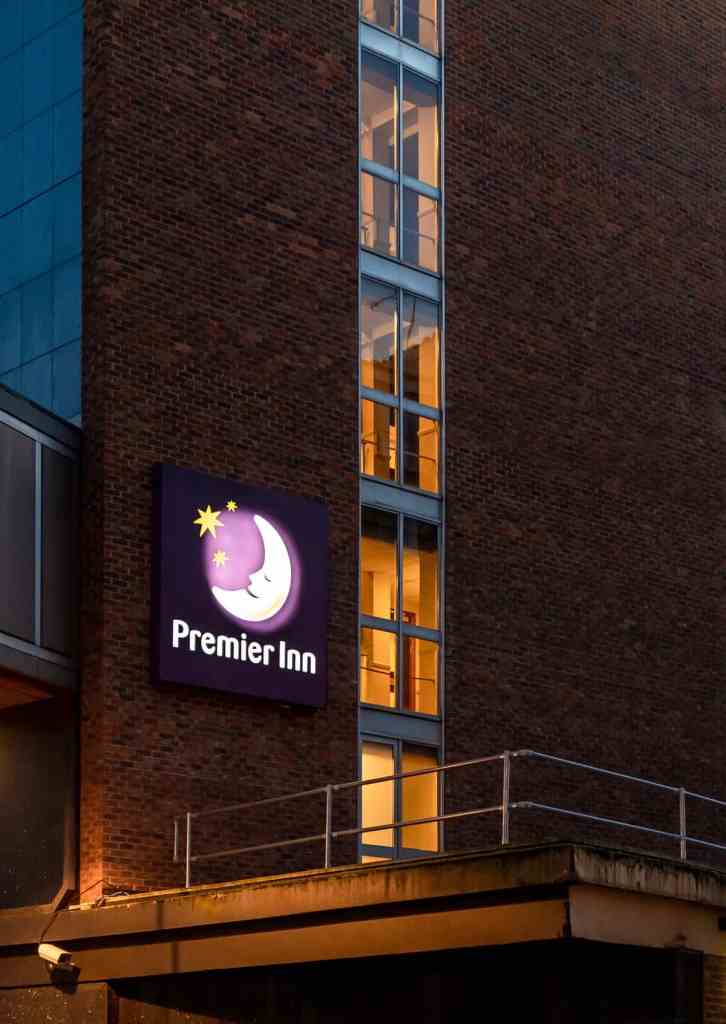
Premier Inn London Tottenham Hale Hotel: Located within a 5-10 minute drive (or 25-minute walk) of the stadium, this is your closest bet for convenience. The hotel sits directly above Tottenham Hale tube/overground station, which is excellent for getting to the stadium quickly. Rooms are clean and functional—you get what you pay for from Premier Inn: comfortable beds, decent showers, no frills. The Kitchen restaurant on-site is reliable. Good location for families attending matches, and the retail park across the street means you can grab snacks before heading in. Mid-range pricing reflects the convenience factor.
Travelodge London Wood Green Hotel: Under 3 miles from the stadium via Wood Green tube station (Piccadilly Line). The location is solid—you’re on a busy high street with shops and eating options nearby. It’s positioned above The Mall shopping center, which means the lobby is never quiet, but rooms are surprisingly peaceful thanks to good soundproofing. Travelodge delivers budget-friendly reliability: decent mattresses, clean rooms, nothing fancy. The Piccadilly Line gets you to central London easily (25 minutes), but also gets you to the stadium quickly if you know the connections. Better value than Premier Inn Tottenham Hale if you don’t mind being slightly further out.
Mid-Range Options
The Stratford Hotel: A design-focused, upmarket property in Stratford (roughly 20 minutes to the stadium via overground). This is genuinely stylish—Space Copenhagen interiors, rooftop bar, proper dining. If you’re combining a match day with exploring London, Stratford is well-positioned. It’s more expensive than the budget chains, but you’re paying for actual design quality and atmosphere, not just proximity to the stadium. Good if you’re making a longer London trip and want the match to be one part of it, not the whole point.
Park Plaza Westminster Bridge London: Central London luxury overlooking the Thames and Houses of Parliament. It’s roughly 40-45 minutes to the stadium via public transit (Victoria Line → Seven Sisters or similar), which is doable but means you’re trading proximity for a genuinely central location. If you’re splitting time between seeing London and catching the match, this works. Spa, pool, multiple restaurants. Not recommended if the stadium is your main event—you’ll waste time traveling.
Budget Options
Chumleigh Lodge Hotel Ltd: Located in Finchley (North London), this is a small family-run bed and breakfast about 20 minutes by car from the stadium. It’s further out geographically, but the Finchley Central tube station connects you well via the Northern Line. Rooms are clean and simple, breakfast is included, and parking is available (free to guests). Good value for budget-conscious travelers who don’t mind being slightly further away. You’re definitely not in the action, but you’re saving significant money.
Travelodge London Edmonton: South Edmonton location, roughly 15 minutes by car from the stadium but good transport connections via Edmonton overground station. Another solid budget option from Travelodge—same formula as Wood Green but slightly different location. Less touristy area, quieter vibe, still reliable.
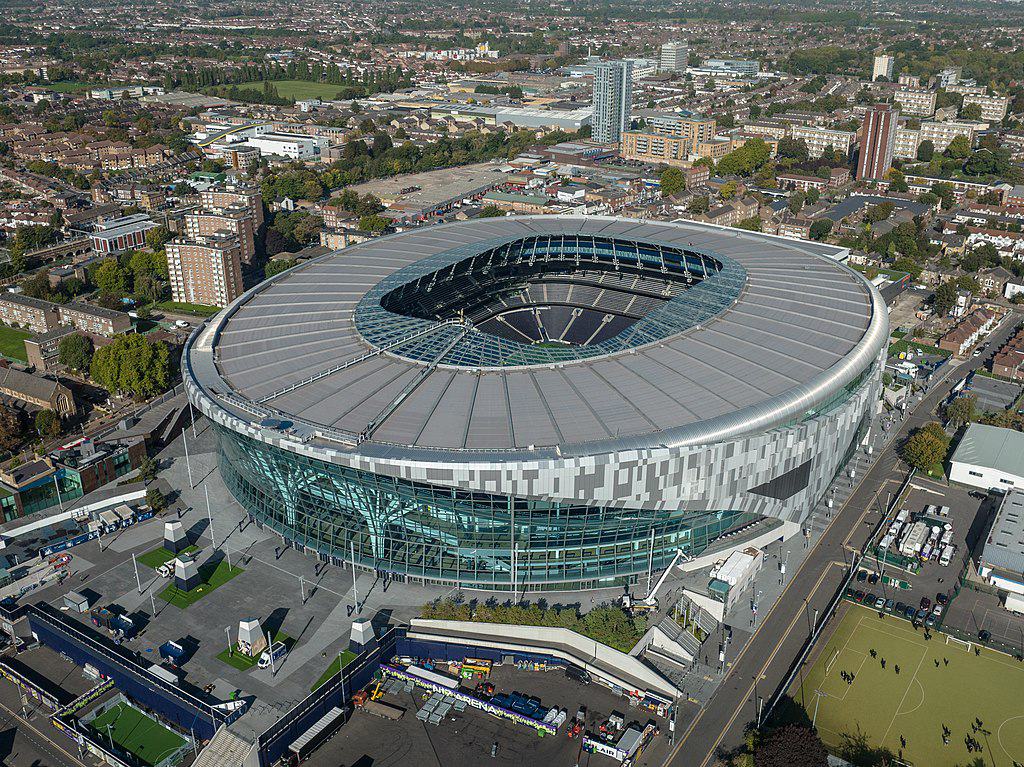
This stadium has genuinely earned its reputation. The sightlines are excellent throughout, the food scene is legitimately one of the best in English football, the atmosphere is electric on big matchdays, and the design makes you feel involved even if you’re 50 rows back. It’s modern without feeling corporate, intimate despite holding nearly 63,000 people, and there’s a real sense of community rather than sterility. If you’re looking for a properly good Premier League experience that doesn’t break the bank, this is a solid choice. The South Stand alone is worth experiencing for atmosphere. The Match itself matters here—fans care, the club invests in the experience, and you’ll feel it.
If you’re headed over to Arsenal for the Derby. Don’t forget to check out our Emirates Stadium Guide. Or Anfield legendary home of Liverpool. London Stadium and of course, Wembley.
Written by Brad Richards, Founder of Gameday Guides. This guide includes insights from personal visits as well as updated info from team sources, fan forums, and stadium policies. We aim to help you plan with confidence — enjoy your gameday.